

Your car’s transmission system is one of the most vital components of your vehicle. It transfers power from the engine to the wheels, allowing you to shift gears and maintain smooth driving performance. Whether you drive an automatic vehicle or prefer manual transmissions, proper transmission service and repair can make a huge difference in your car’s safety, performance, and lifespan.
Unfortunately, many drivers overlook transmission maintenance until something starts to feel off—like slipping gears, fluid leaks, or a delay when shifting. By the time these symptoms appear, small problems may have already turned into expensive repairs.
Let’s take a closer look at how a transmission works, how to spot early signs of trouble, and what you can do to keep it in excellent condition.
What Does Transmission Service Include?
 A transmission service isn’t just about changing transmission fluid. It’s a complete inspection and maintenance process that helps prevent breakdowns and extends the life of your vehicle’s transmission.
Depending on your car’s model and driving conditions, a professional transmission service may include:
- Transmission fluid change or flush – Old fluid can collect debris and lose its ability to lubricate properly. A transmission fluid flush or automatic transmission fluid exchange helps remove contaminants and protect internal parts.
- Filter replacement – Most automatic transmissions have a filter that traps dirt and metal particles. Replacing it ensures cleaner fluid circulation.
- Pan gasket replacement – A new pan gasket prevents fluid leaks, which are a common cause of transmission trouble.
- Full system inspection – Technicians check for worn seals, corroded wiring, or other signs of wear that could lead to failure.
- Diagnostics and performance testing – Professional equipment can detect issues early, helping avoid extensive repairs later.
It’s a process that keeps your transmission performing properly and ensures smooth, reliable shifting.
How Often Should You Schedule Transmission Service?
The frequency of transmission maintenance depends on the type of vehicle you drive and how you use it. As a general rule, most automatic transmission service is recommended every 30,000 to 60,000 miles, while manual transmissions may require fluid changes or inspections a bit more frequently depending on driving conditions.
Always check your owner’s manual for manufacturer guidelines. If you tow heavy loads, drive in high heat, or often sit in traffic, you may need service more often.
Remember: transmission maintenance is a small investment that can help you avoid rebuilds or replacements later on.
Signs You Might Need Transmission Repair
Here are a few warning signals that something might be wrong with your transmission system:
- Slipping Gears – When your car unexpectedly changes gears or struggles to stay in one, it’s time to get your transmission inspected.
- Grinding or Clunking Noises – These sounds while shifting gears often point to low fluid levels or internal wear.
- Fluid Leaks – Red or brown transmission fluid under your car is never a good sign. Leaks can cause overheating and severe damage if ignored.
- Delayed Shifting or Jerking – Smooth shifting should feel natural. Hesitation or rough transitions mean your transmission might need service or adjustment.
- Warning Lights or Burning Smell – Overheated fluid or debris buildup can trigger dashboard alerts or produce an unusual odor.
If you notice any of these symptoms, don’t wait—get your transmission inspected by a professional. Acting early can prevent expensive repairs and keep your car safe to drive.
Why Professional Transmission Service Is Crucial
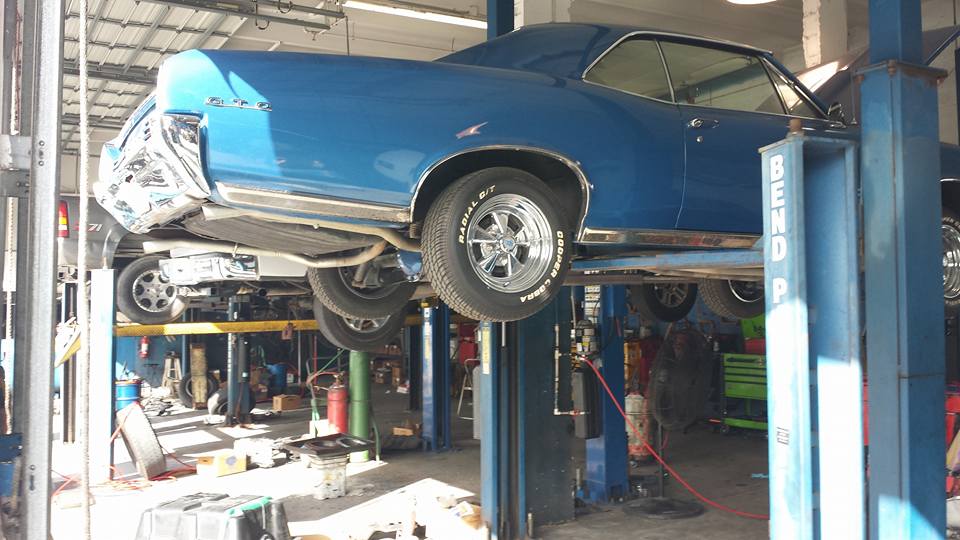
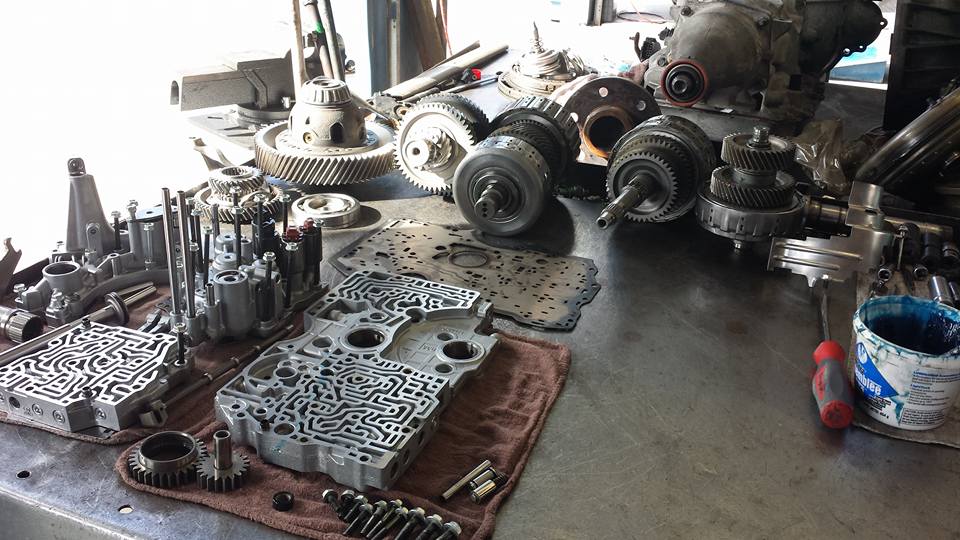
Your transmission system is complex machinery made up of hundreds of moving parts that must work together precisely. A certified technician has the right tools, diagnostics, and experience to perform accurate inspections and repairs.
Trying to fix transmission issues at home can often make things worse—especially with automatic transmissions, where the fluid pressure and components must be set perfectly.
A professional can replace filters, flush fluids, and handle rebuilds if needed, ensuring the work is done correctly and safely.
Regular maintenance helps your transmission stay cool, operate efficiently, and perform better over time. It’s also the best way to protect your investment and avoid repair costs that can run into thousands.
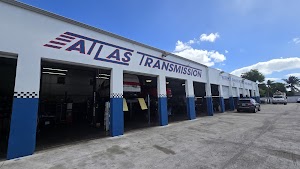
Transmission Service & Repair You Can Trust — Atlas Transmission
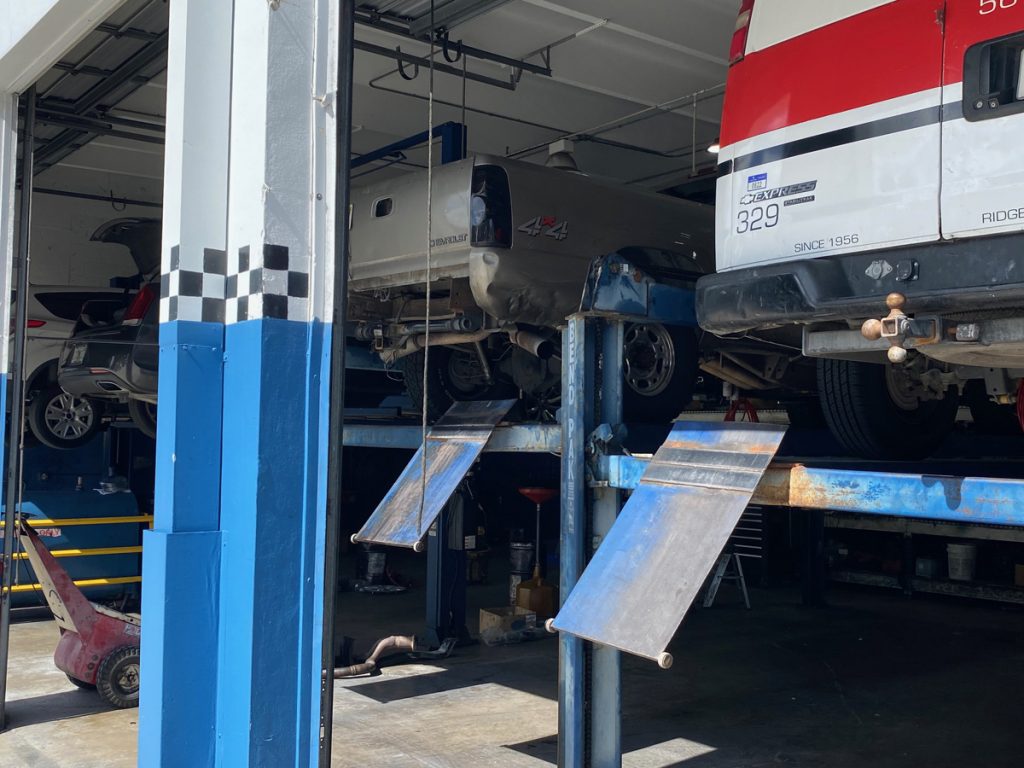
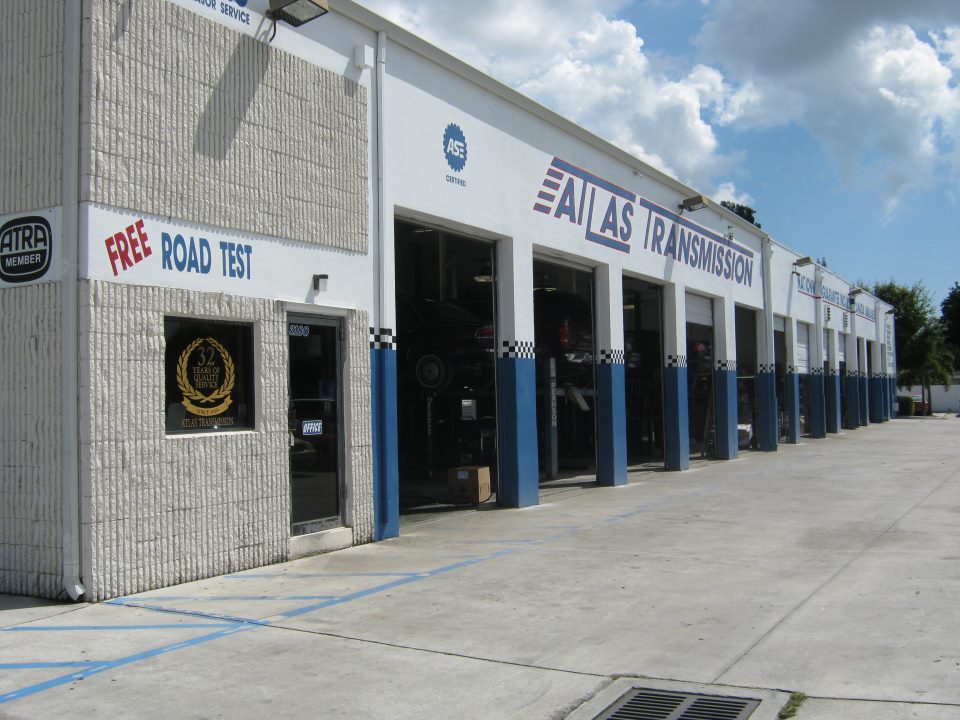
When it comes to keeping your vehicle’s transmission in top shape, experience matters. That’s why drivers throughout Palm Beach County have trusted Atlas Transmission for over 47 years.
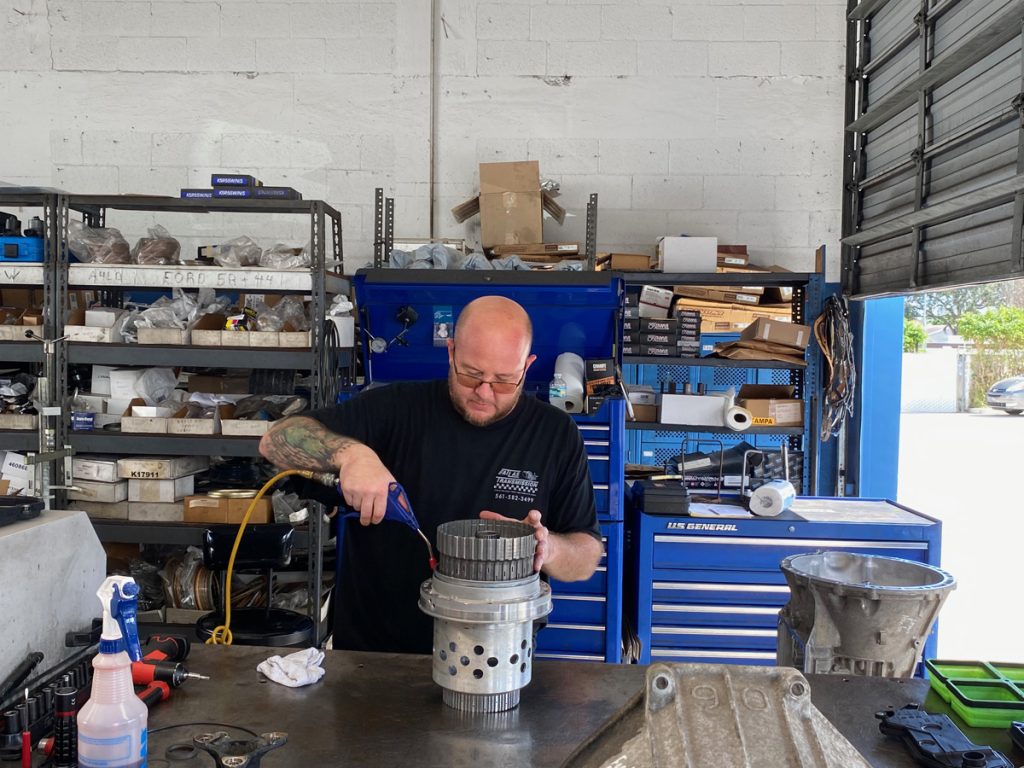
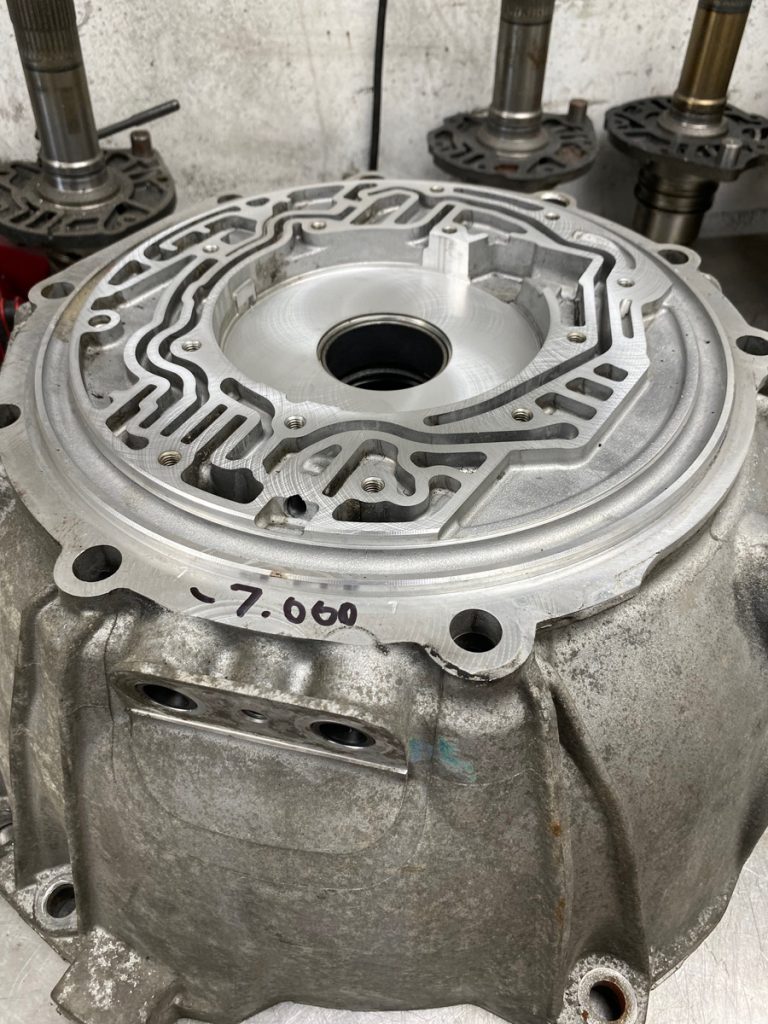
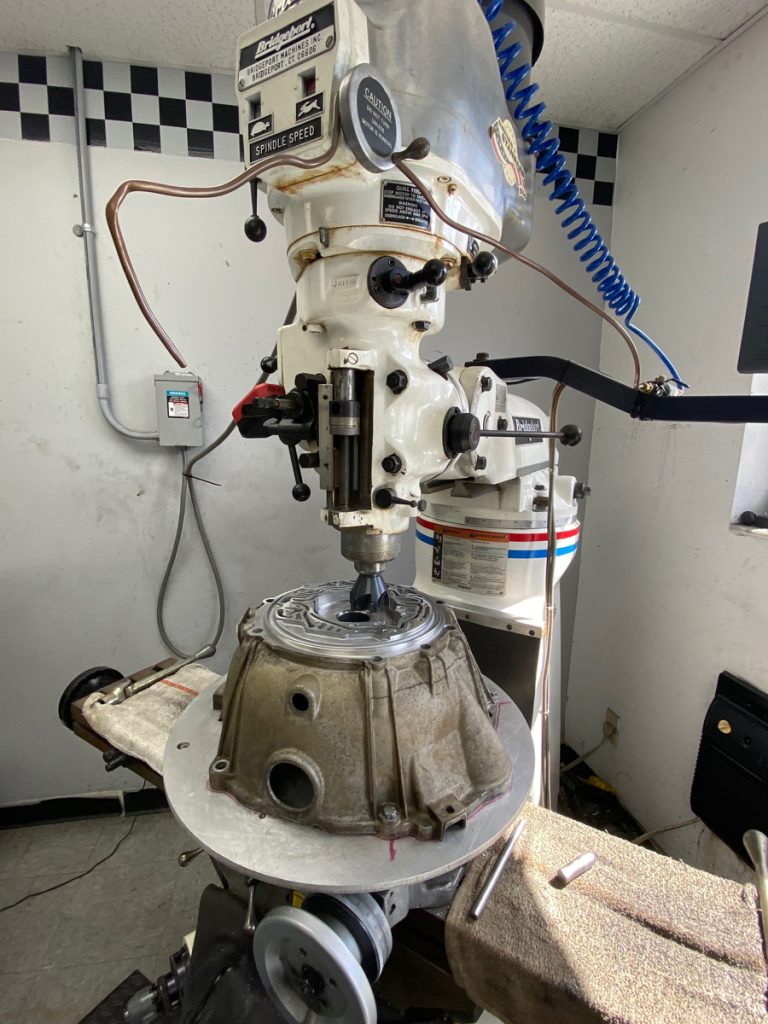
Atlas Transmission is locally owned and family-operated, and we take pride in every transmission service or repair we perform. From automatic transmission fluid exchanges to full rebuilds, our team uses the latest technology and techniques to handle every kind of transmission, no matter the make or model.
Our number one priority is customer satisfaction. We take the time to explain what’s going on with your vehicle, what needs to be done, and how we’ll do it—so you alwa

ys feel comfortable and confident in your decision.
Whether you need routine maintenance, a fluid change, or complete transmission repair, you can trust that Atlas will go above and beyond to ensure you leave happy and safe on the road.
📍 Atlas Transmission
📞 Call: (561) 582-3499
📧 Email: [email protected]
Experience reliable service, honest advice, and decades of expertise. Schedule your transmission service appointment today.
Frequently Asked Questions About Transmission Service & Repair
1. What’s the difference between a transmission service and a transmission repair?
A service is routine maintenance—like fluid and filter changes—to prevent problems. A repair fixes existing issues, such as leaks or slipping gears.
2. How often should I change my transmission fluid?
It depends on your car and how you drive, but generally every 30,000–60,000 miles. Always check your owner’s manual for the recommended service frequency.
3. Can I just top off my transmission fluid instead of replacing it?
Topping off might help short term, but it won’t remove old, dirty fluid or debris. A full fluid exchange or flush is more effective.
4. What happens if I ignore transmission maintenance?
Skipping service can cause slipping gears, overheating, and internal wear—leading to expensive repairs or complete rebuilds later.
5. How can I tell if my transmission needs attention?
If you notice grinding noises, slow shifting, or fluid leaks, schedule an inspection right away. Early detection is key to avoiding damage.