
When something feels “off” with your vehicle’s transmission—hesitation, slipping, strange noises, or delayed shifting—almost everyone has the same concern: Is this going to be expensive? But the truth is, getting the right help early can save you from bigger repairs later. That’s why choosing a transmission specialist matters more than many drivers realize.
A transmission isn’t a simple part. It’s a complex system of gears, seals, fluid passages, power delivery components, and gear trains working together so your car or truck can accelerate, shift, and perform smoothly. Whether you drive an automatic or manual transmission, the difference between a general mechanic and a true specialist can determine how long your transmission lasts—and how well it runs on the road.
What Makes a Transmission Specialist Different?
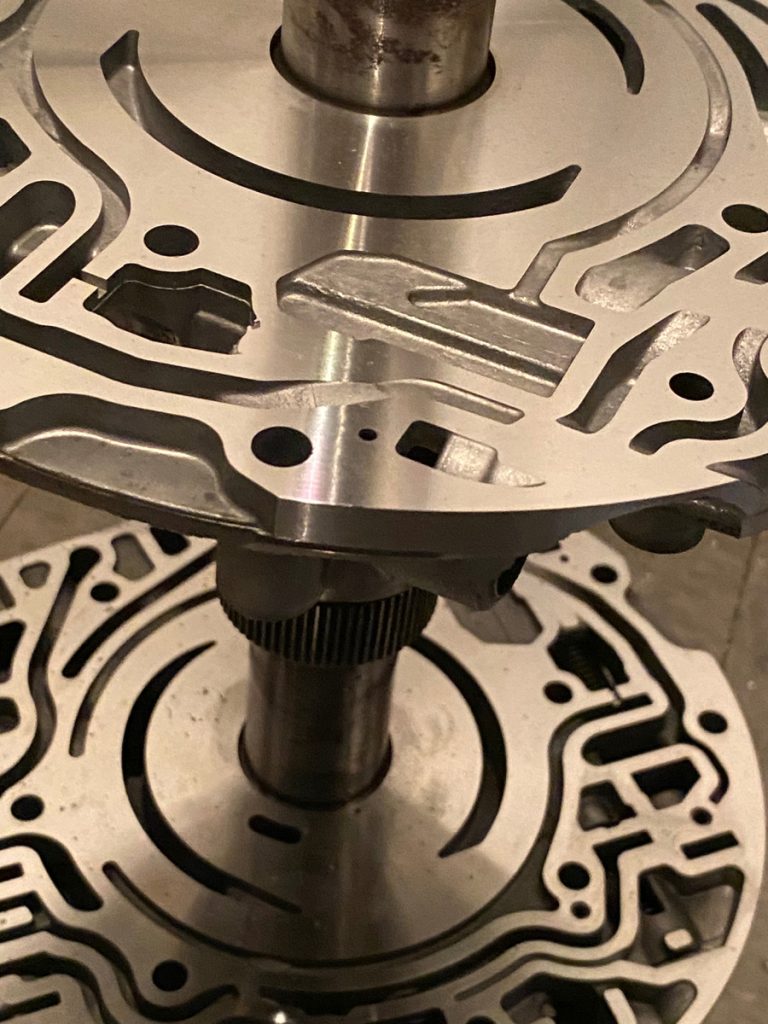
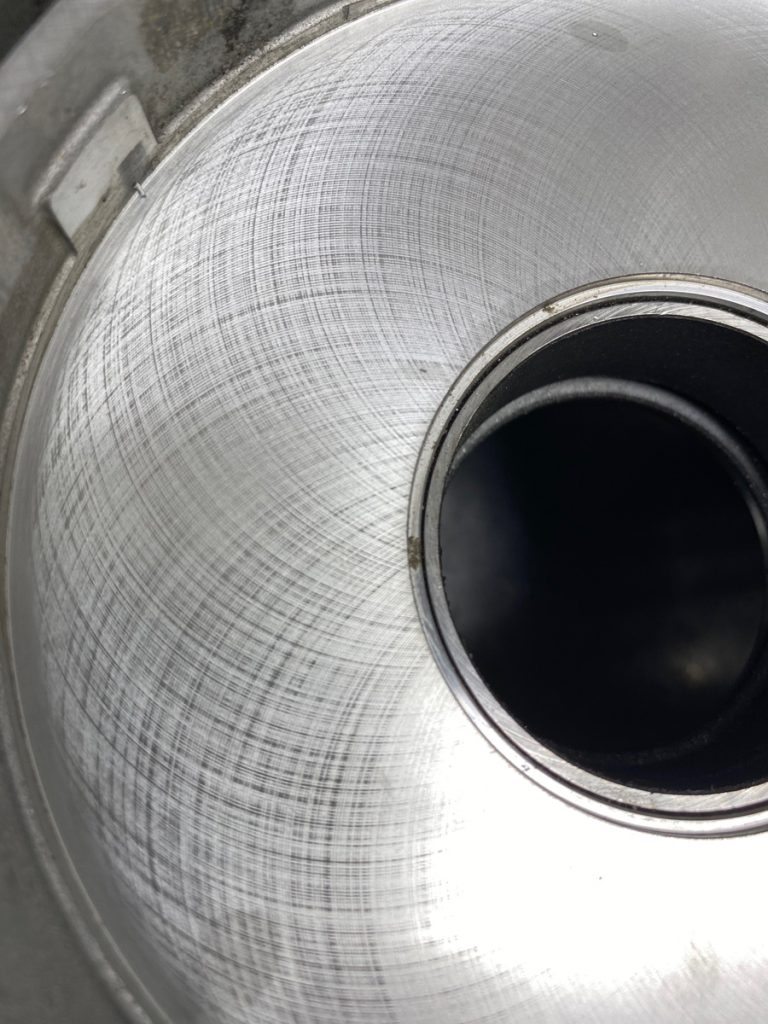
 A real transmission specialist doesn’t just repair what’s obvious; they diagnose the entire system. Their ability to identify issues deep inside your transmission—whether it’s damaged parts, worn seals, or contaminated fluid—is what sets them apart.
Here’s what makes transmission specialists essential:
1. Advanced Knowledge and Expertise
They work on transmissions every day. Their experience with different models, manuals, automatic systems, and vehicle types makes the diagnosis faster and more accurate.
2. Skilled and Certified Technicians
Certified technicians understand how gear trains, fluid flow, power transfer, and shifting patterns work. Their training allows them to detect early signs of problems long before a full rebuild is needed.
3. Proper Tools and Technology
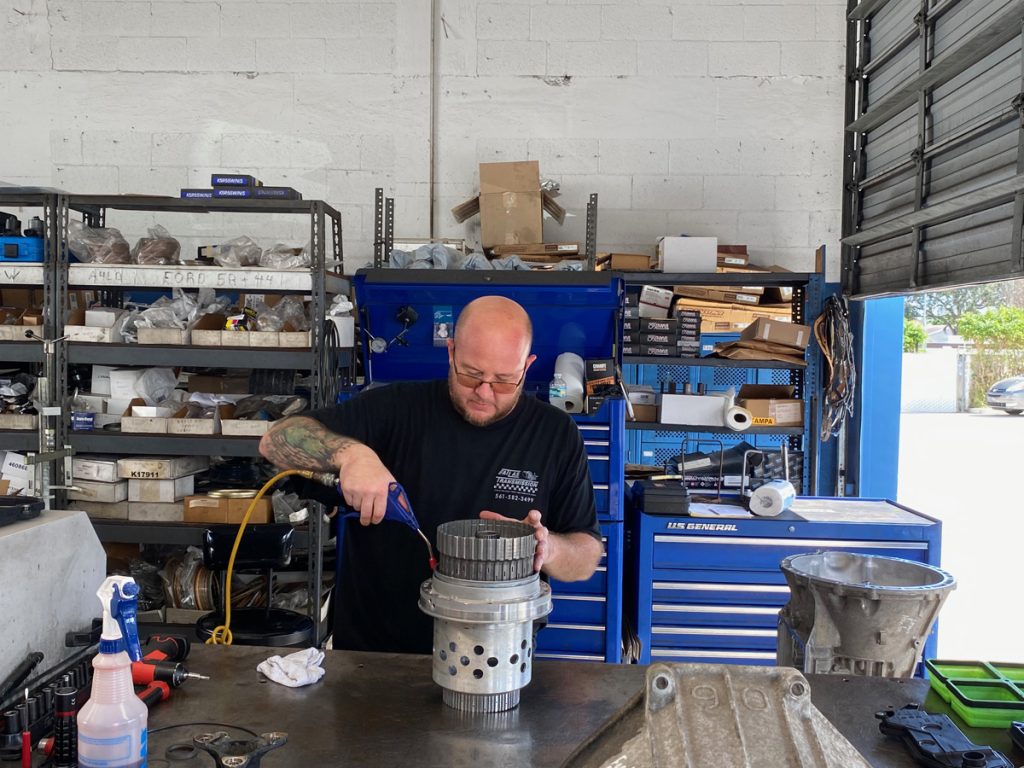
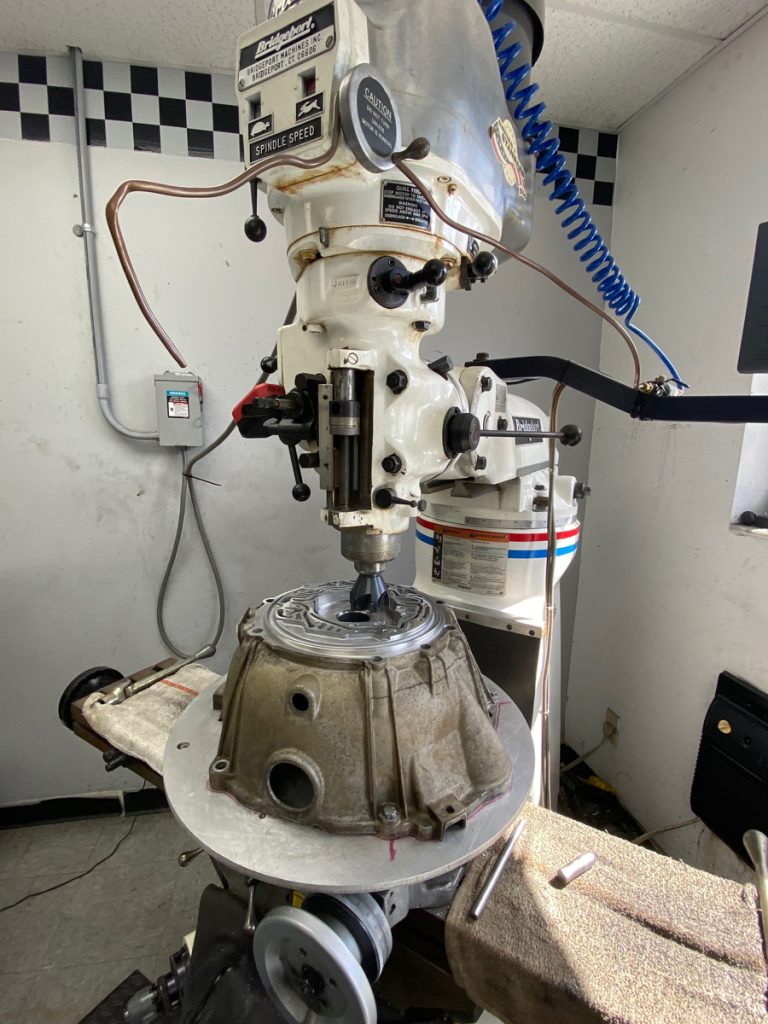
Modern transmissions rely on updated technology. Specialists use scanners, pressure-testing equipment, and advanced tools designed specifically for transmission repair, rebuilding, and maintenance.
4. Accurate Diagnosis Before Any Repair
A thorough transmission service always starts with diagnostics. Specialists determine whether you need a simple transmission fluid change, an automatic transmission fluid exchange, a transmission flush, or a more detailed inspection.
What Services Does a Transmission Specialist Typically Perform?
Transmission specialists handle everything from minor maintenance to complete overhauls. Some of the most common services include:
✔ Transmission Repair and Replacement
If internal components are worn or damaged, specialists can replace or rebuild them to restore smooth performance.
✔ Automatic and Manual Transmission Services
Whether you drive a manual transmission or an automatic transmission, the process is tailored to your vehicle’s needs.
✔ Transmission Flushes & Fluid Exchanges
Old or burnt transmission fluid can cause shifting issues, overheating, and long-term damage. Regular maintenance helps prevent costly repairs.
✔ Full Transmission Rebuilds
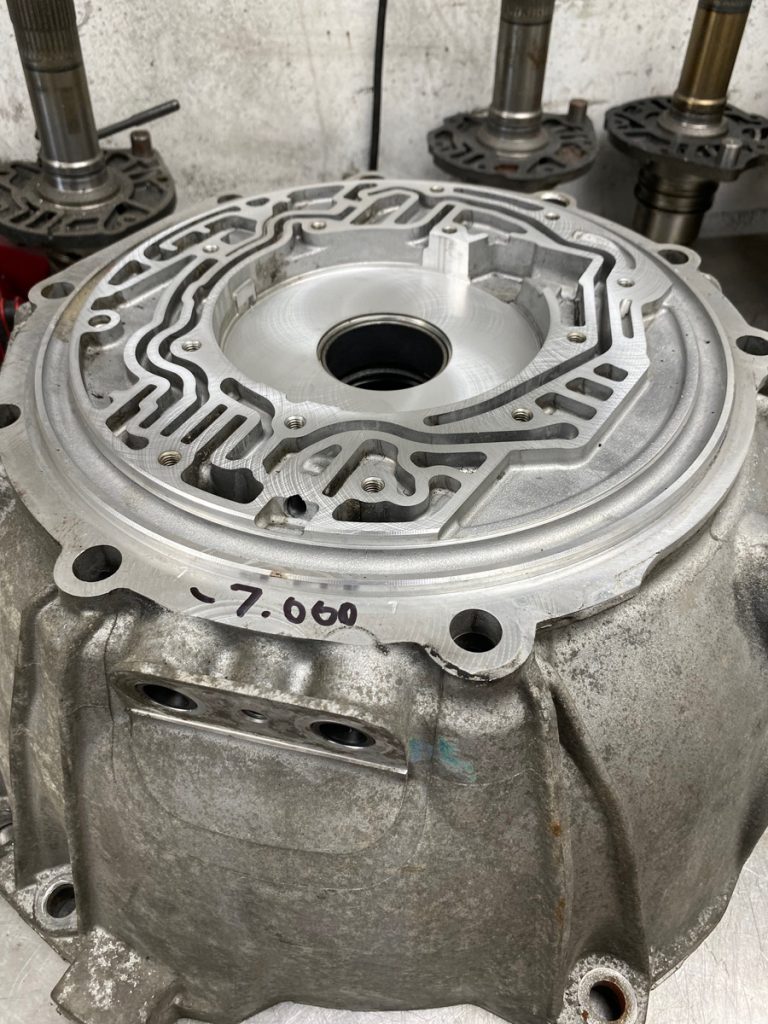
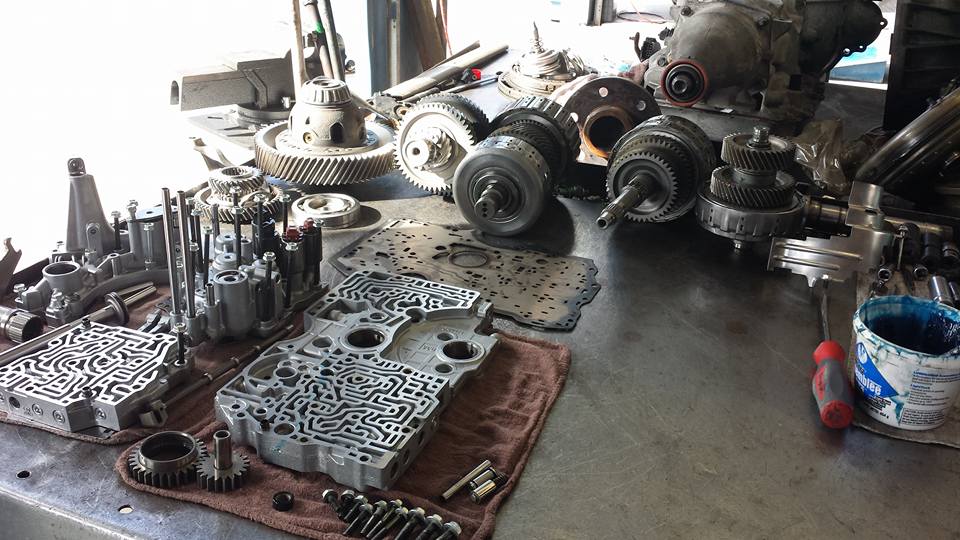
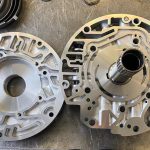
A rebuild involves disassembling the transmission, inspecting every part, replacing damaged components, and reassembling the unit to factory-level standards.
✔ Preventive Maintenance
Routine service helps you save money and avoid unnecessary risk by catching issues early.
✔ Shuttle Service & Customer Convenience
Many shops even offer shuttle service so you don’t have to wait around while your vehicle is being worked on.
How a Transmission Specialist Diagnoses Problems
A skilled technician follows a detailed process that may include:
- Checking fluid levels and quality
- Inspecting for damaged parts or leaks
- Driving the vehicle to evaluate speed, shifting, and smoothness
- Using diagnostic tools to read transmission codes
- Following strict guidelines for testing and inspection
- Determining whether the transmission needs maintenance, repair, or a rebuild
This process ensures your vehicle gets the right job done the first time.
Why Drivers Shouldn’t Wait When Transmission Issues Begin
A transmission rarely fails overnight. Issues develop slowly:
- Fluid breaks down
- Seals start leaking
- Gears slip
- Components wear faster
- Shifting becomes uneven
Waiting can turn a small problem into major damage. A transmission specialist can provide advice early to save you from bigger costs later.
Choosing the Right Transmission Specialist Makes All the Difference
A great transmission shop doesn’t just fix transmissions—they earn trust. They discuss the job in detail, talk through the responsibilities of the repair, and explain what to expect. They make sure you understand the price, warranty, timeline, and process from start to finish.
The best teams are dedicated, efficient, honest, and genuinely committed to customer satisfaction. They ensure every repair meets quality standards and that your car performs safely once it’s back on the road.
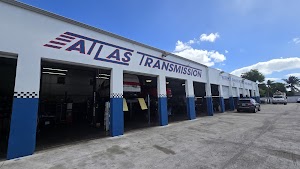
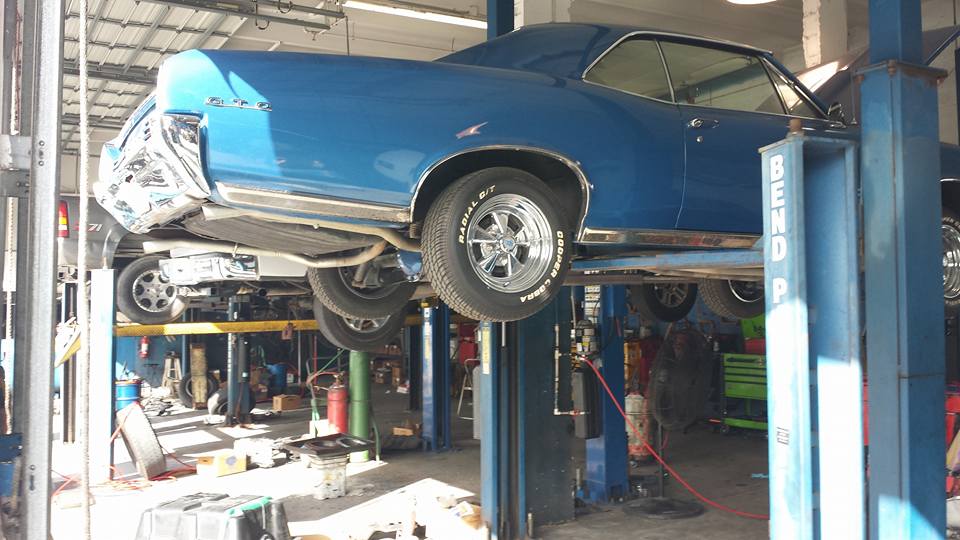
If you’re looking for a trusted, experienced transmission team, Atlas Transmission is the one shop drivers consistently rely on.
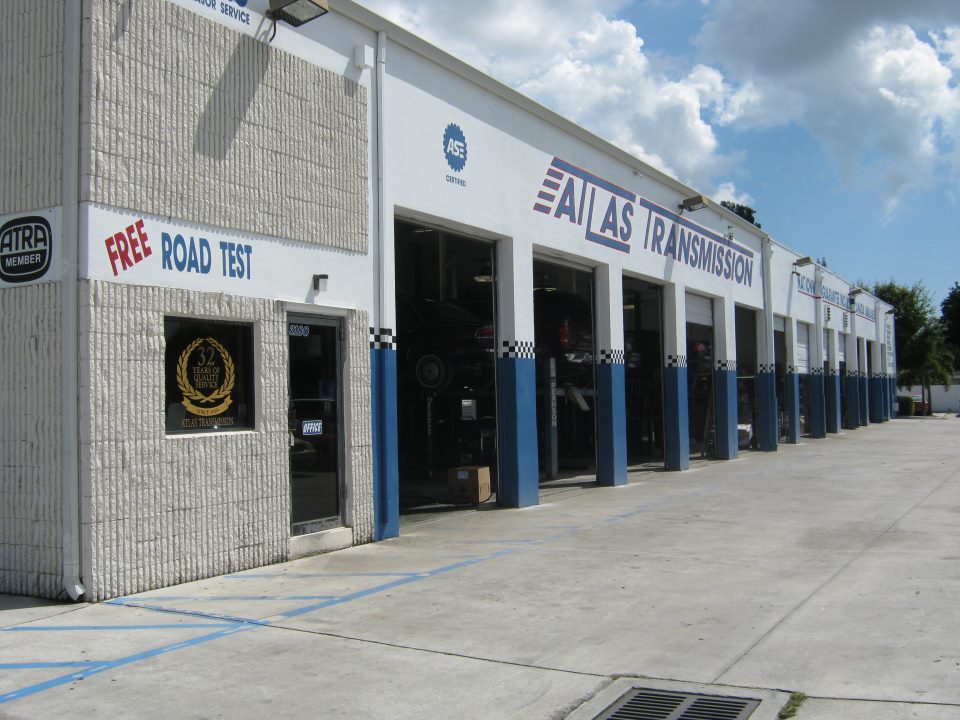
For over 47 years, Atlas Transmission has been locally owned and operated by the same family, proudly serving drivers who want reliable service, honest advice, and long-lasting repairs. Our experienced team specializes in everything from minor maintenance to full transmission rebuilds.
Why Drivers Choose Atlas Transmission
- ✔ Skilled technicians and certified transmission specialists
- ✔ Complete transmission repair and rebuilding
- ✔ Automatic and manual transmission expertise
- ✔ The latest diagnostic technology and updated tools
- ✔ Transparent pricing and honest recommendations
- ✔ Warranty options for peace of mind
- ✔ We take the time to ensure every customer understands the entire process
- ✔ Proud, dedicated technicians who treat your vehicle with care
We make sure every customer leaves confident and satisfied with the quality of work performed. Whether you need a fluid exchange, repair, rebuild, or a full diagnostic check, our team is here to help.
Contact Atlas Transmission Today
 📍 3180 S Military Trail, Lake Worth Beach, FL 33463
📞 (561) 582-3499
📧 [email protected]
Visit us today or schedule an appointment—we’re here to keep your vehicle running at its best.
Frequently Asked Questions
1. What does a transmission specialist do?
They diagnose, repair, rebuild, and maintain transmissions using specialized tools, advanced technology, and expert knowledge.
2. How often should I get a transmission service?
Typically every 30,000–60,000 miles, but it depends on your vehicle model, driving habits, and manufacturer guidelines.
3. What’s the difference between a transmission flush and a fluid exchange?
A flush pushes out old fluid fully, while an exchange replaces most of the fluid through a safer, controlled process.
4. How do I know if my vehicle needs transmission repair?
If you notice slipping, delayed shifting, grinding, leaking fluid, or warning lights, schedule a diagnostic check right away.
5. Do transmission specialists rebuild transmissions?
Yes. Specialists can disassemble, inspect, replace damaged parts, and rebuild your transmission to restore performance.
6. Is there a warranty on transmission repairs?
Most reputable shops, including Atlas Transmission, offer warranty options depending on the repair or rebuild.