

Understanding Manual Transmission Repair: What Every Driver Should Know
If you drive a stick shift, you already know there’s something special about having full control over your vehicle’s gears. The connection between the driver, the clutch, and the road creates a driving experience that automatic transmissions just can’t replicate. But just like any part of your car, your manual transmission needs proper care and timely repair to stay in top condition.
Whether you drive a Ford truck, a Nissan sedan, or a custom performance vehicle, understanding how your manual transmission works—and how to spot early transmission issues—can save you from major repair costs down the line.
What Is a Manual Transmission?
 A manual transmission (also called a stick shift) allows drivers to manually select gears using the clutch pedal and gear stick. It uses a set of gears, shafts, and bearings to transfer power from the engine to the wheels.
When you press the clutch, it disconnects the engine from the transmission—letting you shift gears smoothly. Once you release it, power flows again through the pressure plate, flywheel, and gears, propelling your car forward.
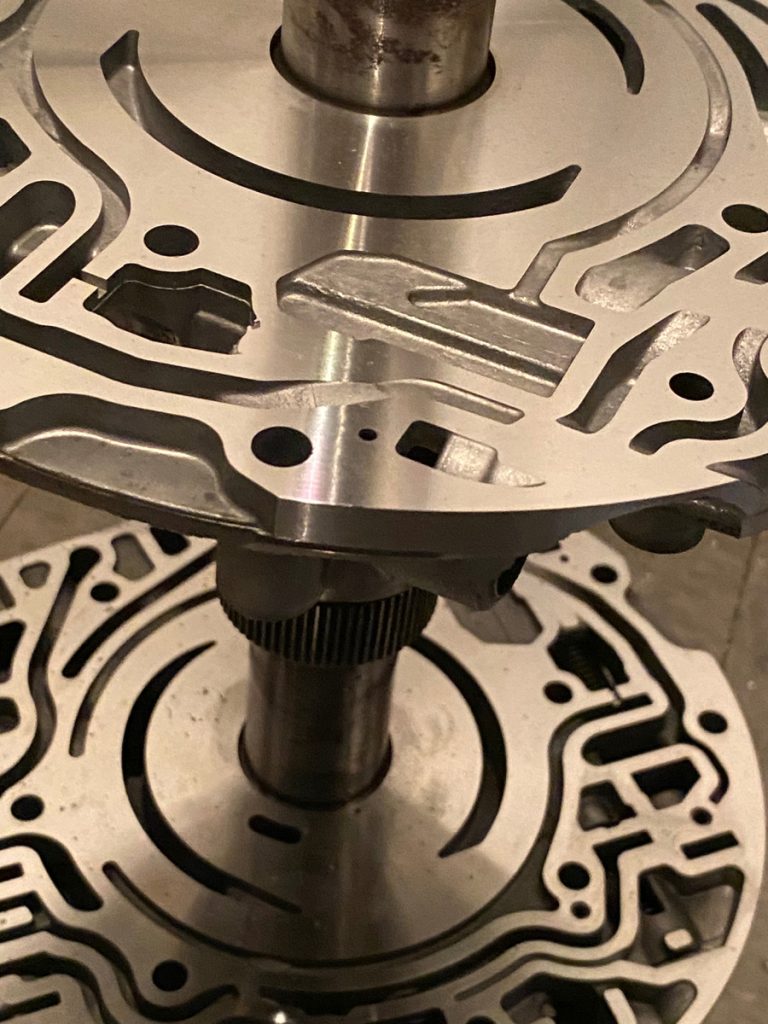
It’s a beautifully simple but finely tuned system. Over time, however, those bearings, seals, and synchronizers can wear out. That’s when you might start noticing grinding noises, difficulty shifting, or slipping gears—clear signs you need manual transmission repair. At this point, technicians need to figure out whether the issue is caused by worn bearings, synchronizers, or other internal components.
Common Signs You Might Need Manual Transmission Repair
Catching small problems early can prevent bigger and more expensive repairs later. Here are some of the most common warning signs that your manual transmission might need attention:
- Grinding or Shaking When Shifting Gears
If your car grinds when you change gears, it could mean worn-out gears, a damaged clutch, or low transmission fluid. - Slipping Out of Gear
This happens when the transmission won’t stay in the selected gear—often caused by worn synchronizers or loose linkages. - Leaking Transmission Oil or Gear Oil
A red or brown puddle under your vehicle means your transmission case or seals might be leaking. Running your transmission without enough fluid can quickly cause internal damage. - Burning Smell or Unusual Noise
A burning smell could mean overheated transmission oil, while whining or clunking noises might point to failing bearings or internal wear. - Clutch Pedal Issues
If the clutch feels spongy, slips, or doesn’t fully engage, the pressure plate or original clutch may be worn and need replacement. Clutch slip occurs when the engine revs but the vehicle doesn’t accelerate properly, often due to a worn clutch.
The age or mileage (date) of your vehicle can also be a factor in transmission wear—cars with higher mileage may be more prone to these issues.
Why Regular Maintenance Matters
Manual transmissions are generally more durable than automatics, but they still require proper care. Regularly checking your gear oil and transmission fluid levels helps reduce friction and wear on internal components.
A skilled technician can also inspect the flywheel, seals, and linkage adjustments to make sure everything operates smoothly. Keeping your transmission properly lubricated extends its life, prevents noise, and helps maintain that smooth shifting feel that manual drivers love.
If you ever notice leaks, rough shifting, or grinding, don’t try to fix it yourself with a hammer or DIY puller—it’s best to have a professional inspect it. Transmission repair requires precision tools, accurate adjustment, and an experienced hand. A professional technician will develop a plan and follow a proper course of action—such as thorough testing, diagnosis, and using the right tools—to ensure successful manual transmission repair.
Manual vs. Automatic: What’s the Difference?
The main difference between a manual and an automatic transmission lies in how the gears are changed.
- In a manual, the driver uses a clutch and gear stick to control shifting.
- In an automatic, hydraulic systems and sensors handle the shifting automatically.
Manual transmissions are often cheaper to repair or rebuild, give better control, and can last longer with proper maintenance. Automatics, on the other hand, are more convenient but usually more complex and costly to fix when something goes wrong.
Clutch Service and Repair: What You Need to Know
The clutch is the heart of your manual transmission, allowing you to smoothly connect and disconnect the engine from the transmission as you shift gears. Over time, even the most durable clutch will experience wear, especially if you drive in heavy traffic or enjoy spirited shifting. Signs that your clutch may need attention include slipping, hesitation when engaging gears, or a pedal that feels different than usual.
When these symptoms appear, prompt clutch service is essential to prevent further damage to your manual transmission. Technicians will often start by inspecting the pressure plate, clutch disc, and release bearing—components that commonly wear out. In many cases, a simple adjustment or targeted replacement can restore smooth shifting. However, if your vehicle has high mileage or the original clutch is worn beyond repair, a full clutch replacement may be necessary.
Clutch repair is generally more affordable than a complete transmission rebuild, making it a smart investment in your vehicle’s longevity. The process may involve resurfacing the flywheel and ensuring all parts are properly aligned for optimal performance. Technicians use specialized tools to complete the job efficiently and safely, helping you get back on the road with confidence.
To extend the life of your clutch, regular maintenance is key. Make sure the clutch pedal is properly adjusted and pay attention to any changes in shifting feel. Addressing clutch issues early can save you money and keep your manual transmission running smoothly for years to come.
Manual Transmissions Repair Tools and Equipment
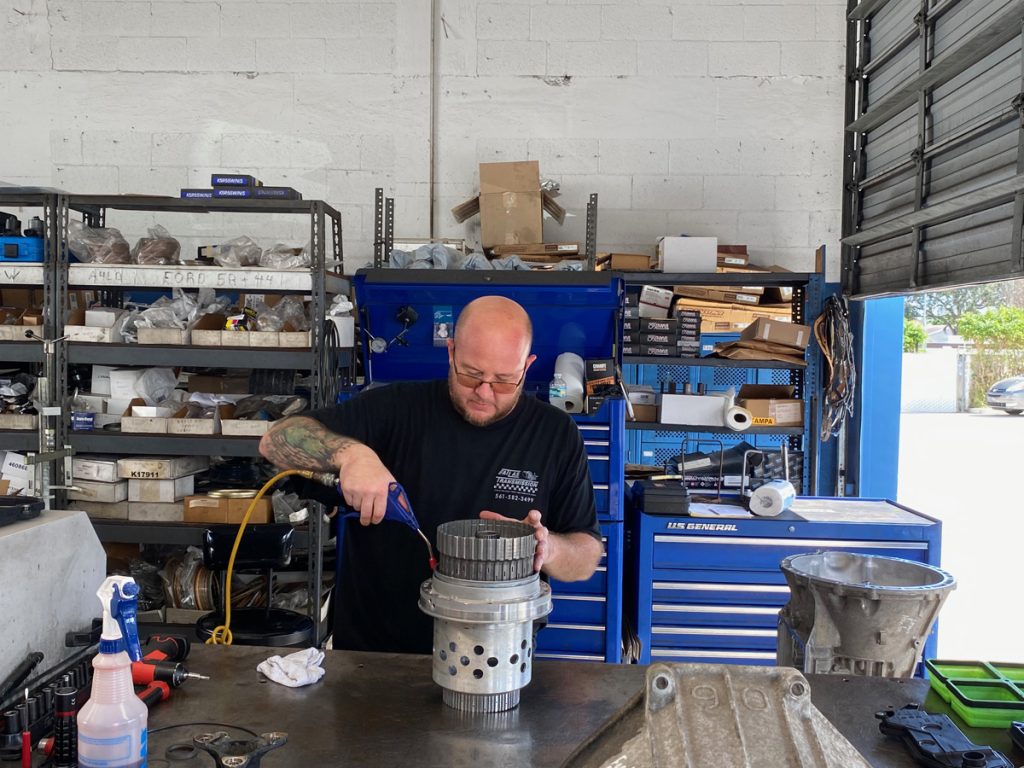
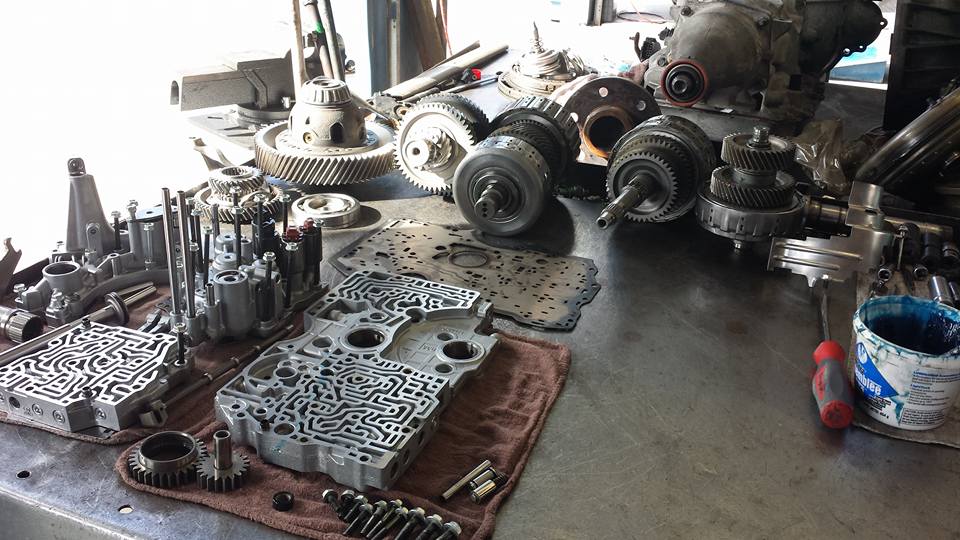
Repairing manual transmissions requires a set of specialized tools designed to handle the unique challenges of these systems. Essential equipment includes transmission pullers, bearing presses, and gear pullers, all of which help technicians remove and replace gears and bearings without damaging the transmission case or internal components.
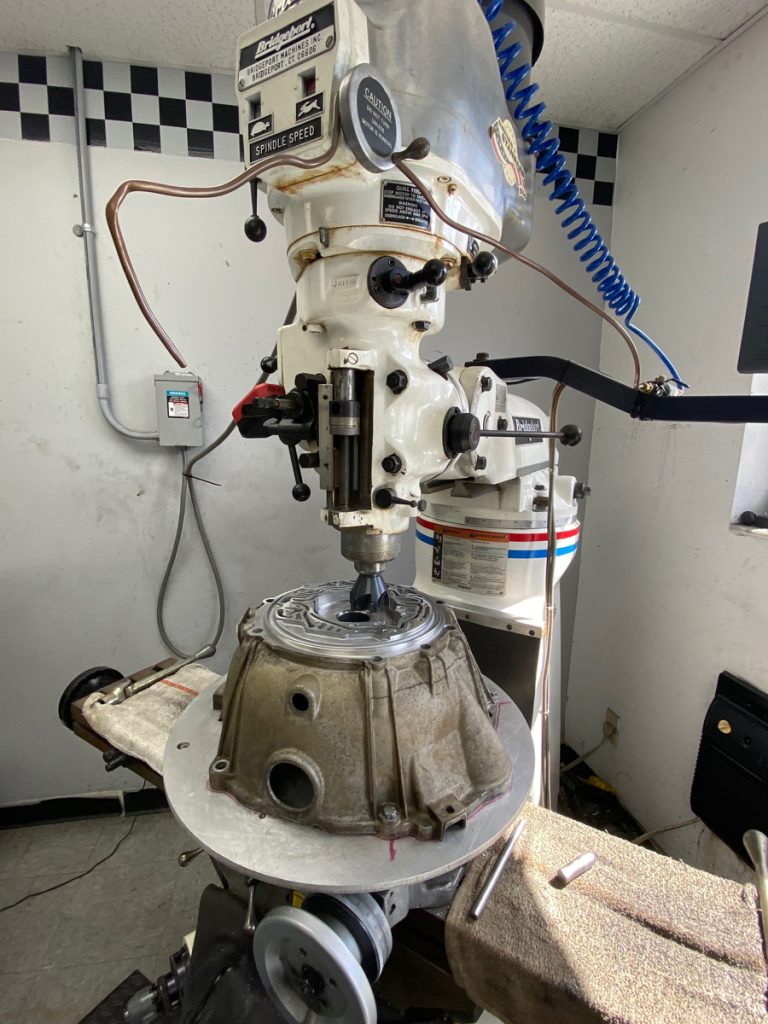
In addition to these manual transmission-specific tools, general shop equipment like hydraulic presses and drill presses are often used during repair and rebuilding. Since some transmission oil drain plugs—such as those on VW manuals—lack magnets to catch metal particles, technicians must rely on careful inspection and the right tools to detect bearing wear and other issues.
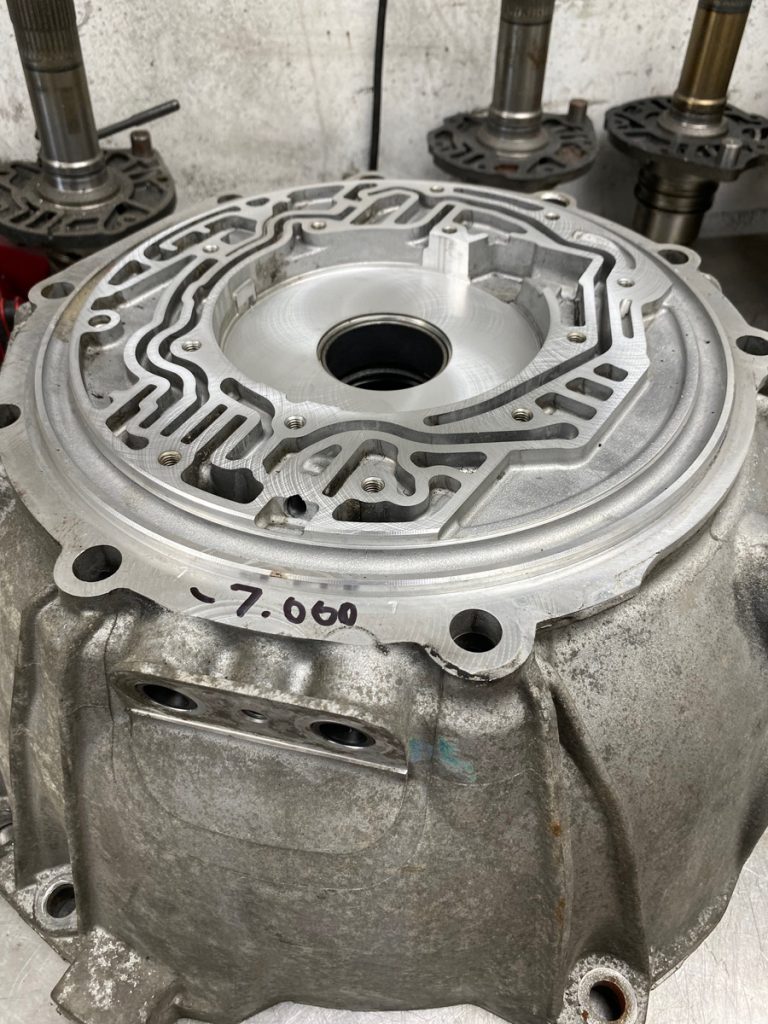
Investing in high-quality tools is crucial for technicians who regularly service manual transmissions. While some may use custom or modified tools, like a hammer and puller, to tackle tricky repairs, using the correct equipment ensures a safer and more effective repair process. Certain manual transmissions, such as the 02J EUH transaxle found in some vehicles, may require unique fixtures or reference to detailed manuals to complete the job properly.
Ultimately, the right tools not only make the repair process smoother but also help maintain the integrity of your transmission, ensuring reliable performance and a longer service life.
Safety Precautions for Manual Transmission Repair
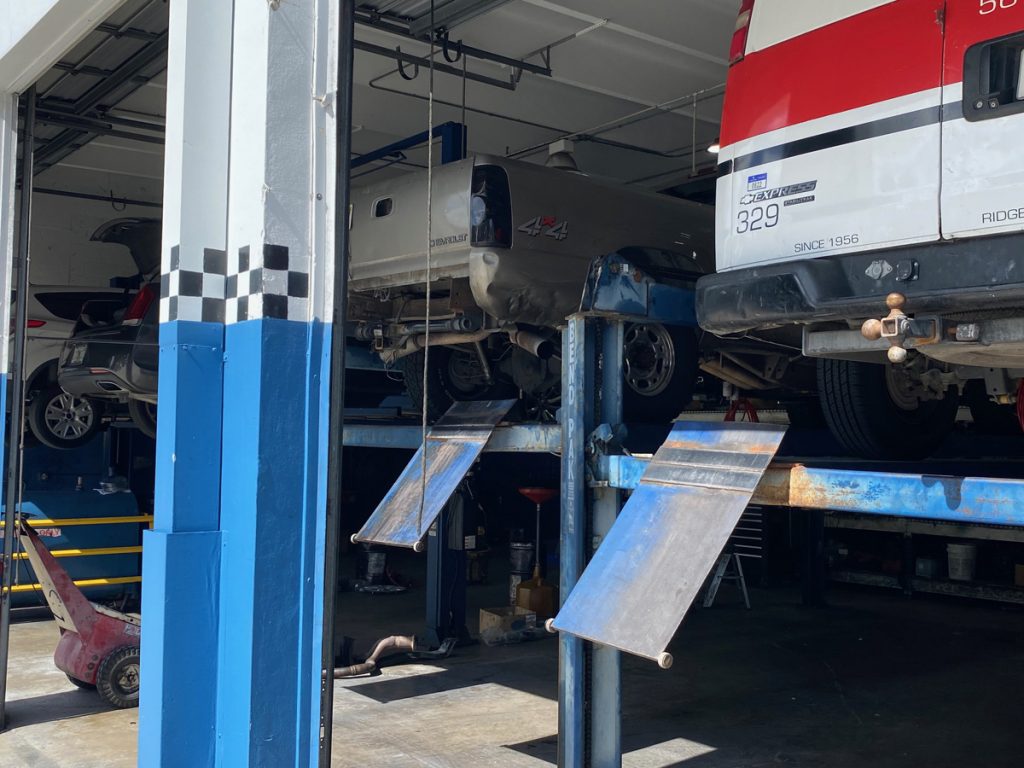
 Working on a manual transmission involves handling heavy components, sharp edges, and complex assemblies, making safety a top priority for both technicians and DIY enthusiasts. Before starting any repair, it’s essential to ensure the vehicle is properly supported using jack stands or a transmission cradle to prevent accidental movement or falls.
Personal protective equipment—such as gloves, safety glasses, and face masks—should always be worn to guard against injuries from metal shards, hot surfaces, or chemical exposure. Keeping the work area clean, well-ventilated, and free from flammable materials is also critical, especially when using tools that generate heat or sparks.
Certain repair tasks, like pressing out bearing races or replacing the clutch, require careful attention to procedure and the use of specialized tools to avoid damaging the transmission or injuring yourself. Following established repair manuals and best practices helps ensure each step is completed safely and correctly.
Ongoing safety training and staying updated on the latest repair techniques can help technicians minimize risks and deliver high-quality manual transmission service. By prioritizing safety, you protect both yourself and your vehicle, ensuring a successful repair every time.
How Much Does Manual Transmission Repair Cost?
The cost of manual transmission repair can vary depending on what’s wrong. Replacing bearings, seals, or a clutch might range from a few hundred dollars to over a thousand if the transmission needs to be rebuilt. The cost can increase further if new bearings or other internal components are required.
What’s important is getting the right diagnosis first. A professional technician can determine whether you just need a fluid change, a clutch replacement, or a full rebuild. In some cases, depending on the extent of the damage, it may be more cost-effective to replace the whole thing rather than repair individual components.
Follow-up and Aftercare After Transmission Repair
Completing a manual transmission repair is just the first step—proper aftercare is essential to ensure your vehicle continues to perform at its best. After any repair, technicians should advise drivers on the importance of regular maintenance, such as checking and changing transmission oil, and monitoring for any unusual noises or shifting issues.
It’s also important to use the clutch and shift gears properly, especially after a clutch replacement or major repair. Gentle driving during the initial break-in period helps new components settle in and extends the life of your manual transmission. Technicians may recommend a follow-up inspection to verify that everything is functioning as it should and to catch any potential issues early.
Clear communication between technicians and drivers is key. By providing detailed aftercare instructions and being available to answer questions, repair shops can help customers get the most out of their transmission repair. This proactive approach not only ensures the longevity of the repair but also builds trust and satisfaction for the long haul.
Expert Manual Transmission Repair You Can Trust – Atlas Transmission
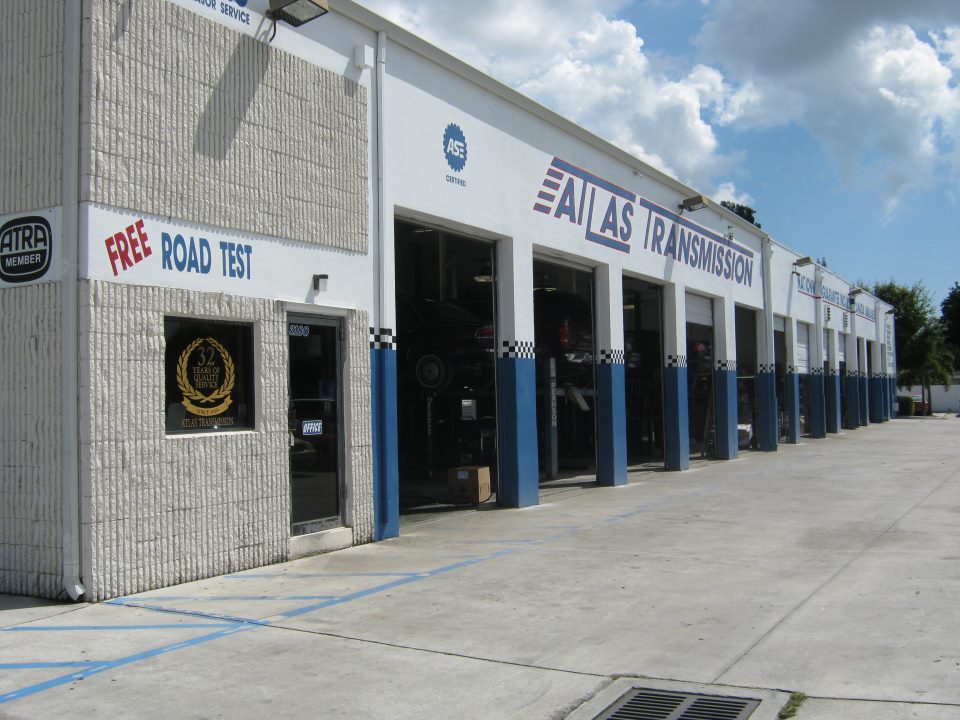
When it comes to something as important as your car’s transmission, you need a shop that’s experienced, honest, and reliable. That’s where Atlas Transmission comes in.
Atlas Transmission is a locally owned and operated business, proudly serving the community for over 47 years. Our family has built a reputation for quality work and exceptional customer service. We take pride in every transmission service and repair we do, from manual to automatic systems.
Our goal is simple: to make sure you feel comfortable, informed, and confident in the repair process. Using the latest diagnostic tools and technology, we handle transmission rebuilding, fluid replacement, clutch repair, and more—for every type of vehicle, from compact cars to trucks. Our technicians are experienced in servicing all types of trans, including removing and supporting the transmission cover during complex repairs.
We’ll walk you through every step, explain your options, and make sure your vehicle leaves our shop running like new.
 📍 Atlas Transmission📞 Call: (561) 582-3499 📧 Email: [email protected]
We’ll make sure your manual transmission is handled with expert care—because at Atlas, your satisfaction drives everything we do.
Frequently Asked Questions About Manual Transmission Repair
1. How long does a manual transmission usually last?With proper maintenance and regular fluid changes, a manual transmission can last well over 150,000 miles or more.
2. What’s the difference between transmission fluid and gear oil?They’re both lubricants, but transmission fluid is typically used in automatics, while gear oil is thicker and designed for manual transmissions.
3. How do I know if my clutch needs to be replaced?If you notice slipping, difficulty shifting, or your clutch pedal feels different, it’s time to have it checked. A worn pressure plate or flywheel may also need adjustment or replacement.
4. Can a manual transmission be rebuilt instead of replaced?Yes. A rebuilt transmission often involves replacing worn bearings, seals, and synchronizers while keeping the main case intact—making it a more affordable and effective solution.
5. Is it safe to drive with transmission noise?No. Any grinding, whining, or clunking could indicate serious internal damage. Technicians have often figured out whether the noise is coming from the transmission, differential, or wheel bearings through careful diagnosis. Some transmission noises may only become noticeable at higher speed, such as when driving over 100 km/h, which can help in diagnosing the issue. Driving in that condition can make repairs more expensive later.