
When it comes to your vehicle, few systems are as essential as the transmission. Whether you drive a car with an automatic transmission or a manual transmission, the transmission is what allows power from the engine to reach the wheels so your car can move. If it fails, you’re looking at costly repairs or even a full transmission rebuild. That’s why transmission diagnostics are critical to keeping your vehicle in top shape and preventing expensive repairs down the road.
In this guide, we’ll walk you through what transmission diagnostics mean, the common signs of transmission problems, and how a trusted mechanic can use technology and experience to provide an accurate diagnosis.
What Are Transmission Diagnostics?
 Transmission diagnostics is the process of using technological diagnostics—including a scanner connected to your car’s computer system—to determine what’s happening inside your vehicle’s transmission. Modern cars are equipped with complex computer systems that store valuable data about gear changes, shift timing, and car performance.
During diagnostics, a technician may:
- Perform a road test or test drive to notice symptoms like delayed vehicle response, slipping gears, or hard shifts.
- Inspect the transmission fluid for color, smell, and level. Healthy fluid should appear bright red and not smell burnt.
- Check for a leaking transmission fluid issue, one of the most common signs of trouble.
- Use a scanner to pull codes from the car’s computer that reveal hidden problems with the clutch, torque converter, or internal control systems.
This process helps mechanics diagnose transmission problems as early as possible, saving you money and preventing overheating or total transmission failure.
Common Symptoms That Indicate Transmission Trouble
Knowing the warning signs of transmission problems can help you take action before it’s too late. Here are a few symptoms you should never ignore:
- Transmission Slipping – If your car feels like it’s suddenly losing power or struggles during gear changes, it could mean slipping gears.
- Delayed Response – A delayed vehicle response when you shift into drive or reverse is often a sign that the transmission service is overdue.
- Fluid Leaks – Leaking transmission fluid under your vehicle is a major red flag. Without enough fluid, your system will quickly overheat.
- Burning Smell – If your car smells burnt, it may indicate overheating or dirty transmission fluid.
- Unusual Noises or Hard Shifts – Clunking, grinding, or hard shifts during acceleration can signal internal transmission trouble.
If you notice any of these symptoms, schedule a free transmission diagnostics appointment with a professional auto repair shop as soon as possible.
Why Professional Transmission Diagnostics Matter
 While it’s tempting to ignore small issues or hope they’ll go away, the automotive industry shows that waiting often leads to expensive repairs. A professional diagnostic service provides:
- Accurate Diagnosis – Pinpoints whether the problem is with the clutch, torque converter, fluid, or internal systems.
- Technological Equipment – Modern scanners and tools provide insights that guesswork cannot.
- Prevention of Costly Repairs – Identifying minor issues early prevents full transmission failure or the need for replacement.
- Better Car Performance – A properly diagnosed and repaired transmission ensures smooth gear changes and reliable car performance, even at highway speeds.
The Role of Regular Maintenance
Routine transmission service is just as important as regular oil changes. By scheduling inspections, checking fluid quality, and staying alert to symptoms, you protect your vehicle’s transmission from costly repairs.
If a mechanic recommends a test drive or road test, it’s not just for show—it’s an essential part of the diagnosis process. Paired with technological diagnostics, these steps ensure your car stays reliable, safe, and efficient.
Atlas Transmission: Your Local Transmission Experts
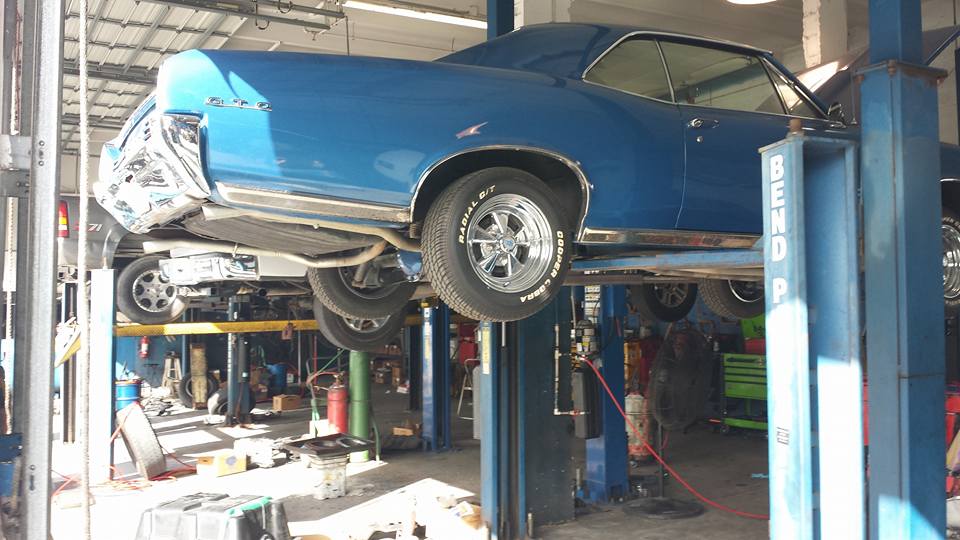
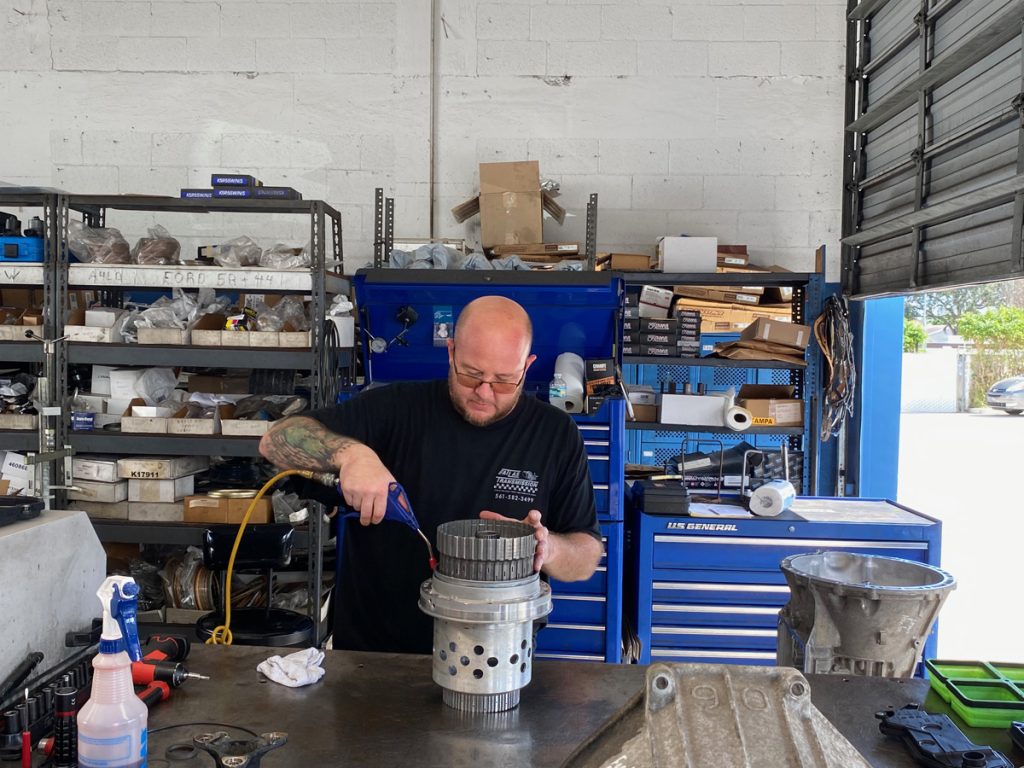
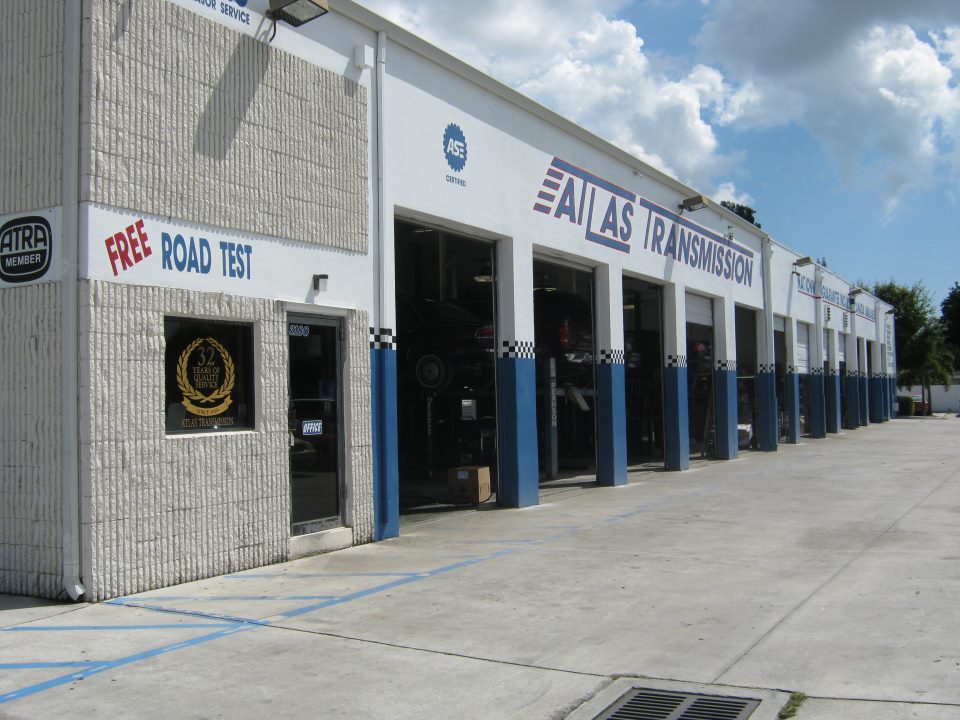
At Atlas Transmission, we’ve been helping drivers in Palm Beach County for over 47 years. As a family-owned and operated shop, we pride ourselves on offering free transmission diagnostics and taking the time to explain every step of the repair process.
We specialize in transmission repair and rebuilding, handling everyth
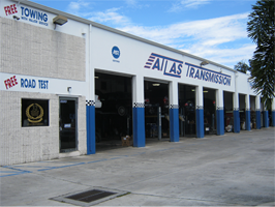
ing from automatic transmissions to manual transmissions. Using the latest technology and equipment, our team ensures each customer receives a thorough inspection, accurate results, and honest advice.
✔️ Locally owned and operated for 47+ years
✔️ Specializing in transmission repair and rebuilding
✔️ Cutting-edge diagnostic technology
✔️ Customer service as our top priority
📞 Call us today at (561) 582-3499
📧 Email: [email protected]
We’ll do everything possible to make sure you leave happy and confident about your vehicle’s transmission.
FAQs About Transmission Diagnostics
Q: How do I know if my car needs transmission diagnostics?
A: If you notice slipping gears, delayed vehicle response, leaking transmission fluid, or a burning smell, it’s time to schedule an inspection.
Q: What does free transmission diagnostics include?
A: A trusted mechanic will perform a road test, inspect your transmission fluid, scan your car’s computer system, and provide an accurate diagnosis of any issues.
Q: Can transmission problems really cause expensive repairs?
A: Yes. Ignoring small symptoms often leads to overheating, transmission failure, or the need for a full transmission rebuild. Acting as soon as possible saves both money and stress.
Q: How often should I schedule transmission service?
A: Most vehicles benefit from regular inspections every 30,000–60,000 miles, but if you drive in tough conditions (like stop-and-go traffic or towing), you may need it sooner.
Q: Can transmission diagnostics fix the problem right away?
A: Diagnostics don’t fix the issue—they determine the cause. Once identified, your mechanic can recommend the best repair or replacement options.