
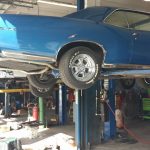

When something feels off in your vehicle—maybe a strange noise, slipping gears, or delayed shifting—your mind jumps straight to the big question:
“Do I need a rebuilt transmission?”
It’s one of the most important components in any car, and when trouble starts, you want answers you can trust. Whether you drive automatic transmission, manual transmissions, or even something more specialized, understanding your options can save time, money, and stress on the road.
This guide breaks down what “rebuilt” truly means, how it compares to a remanufactured transmission, and how to choose the best transmission replacement for your vehicle.
I’ll also explain what happens during the remanufacturing process, how shops handle upgraded components, what exceeds OEM specifications, and how to avoid paying more than you should. Let’s start from the beginning.
What Is a Rebuilt Transmission?
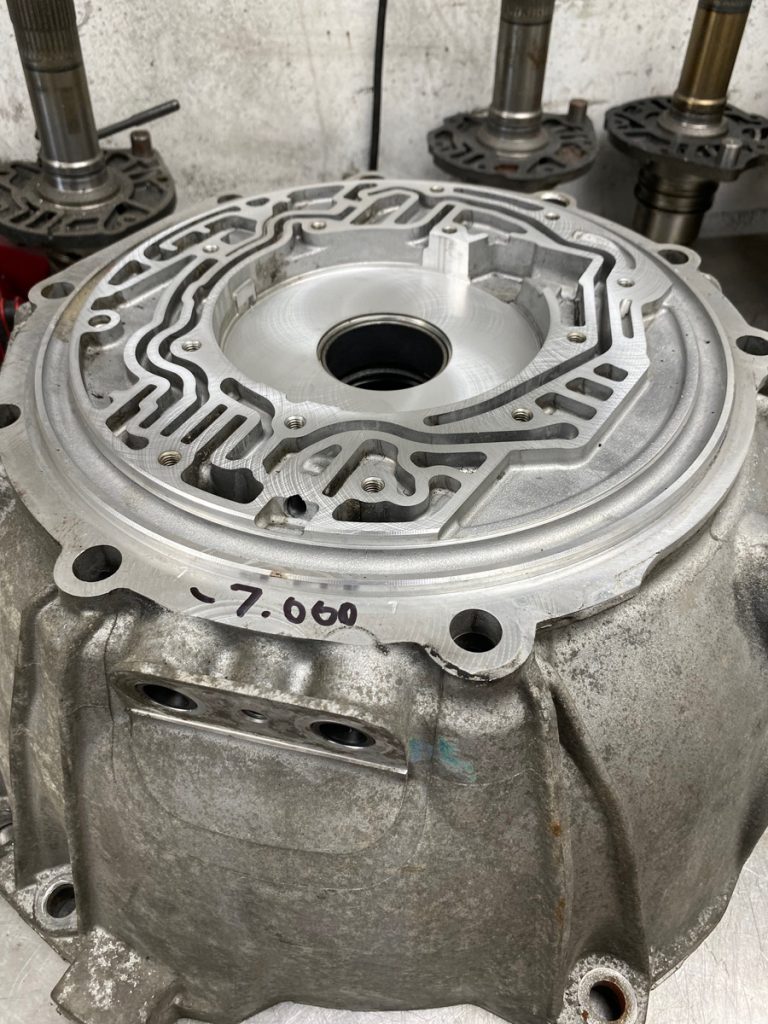
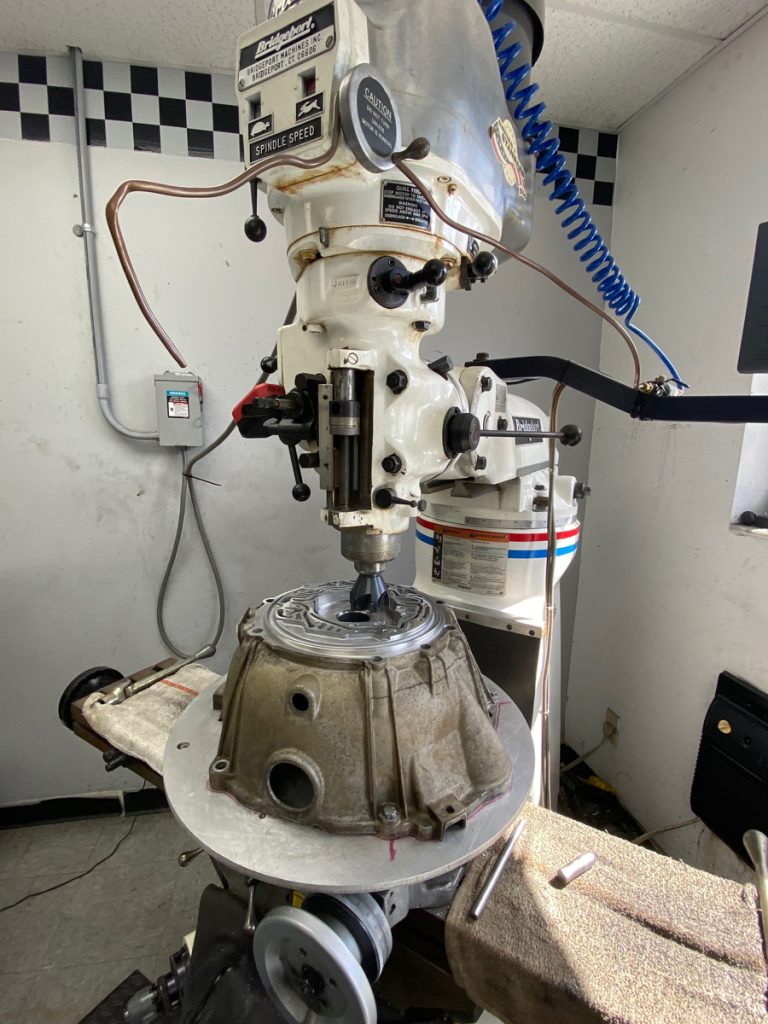
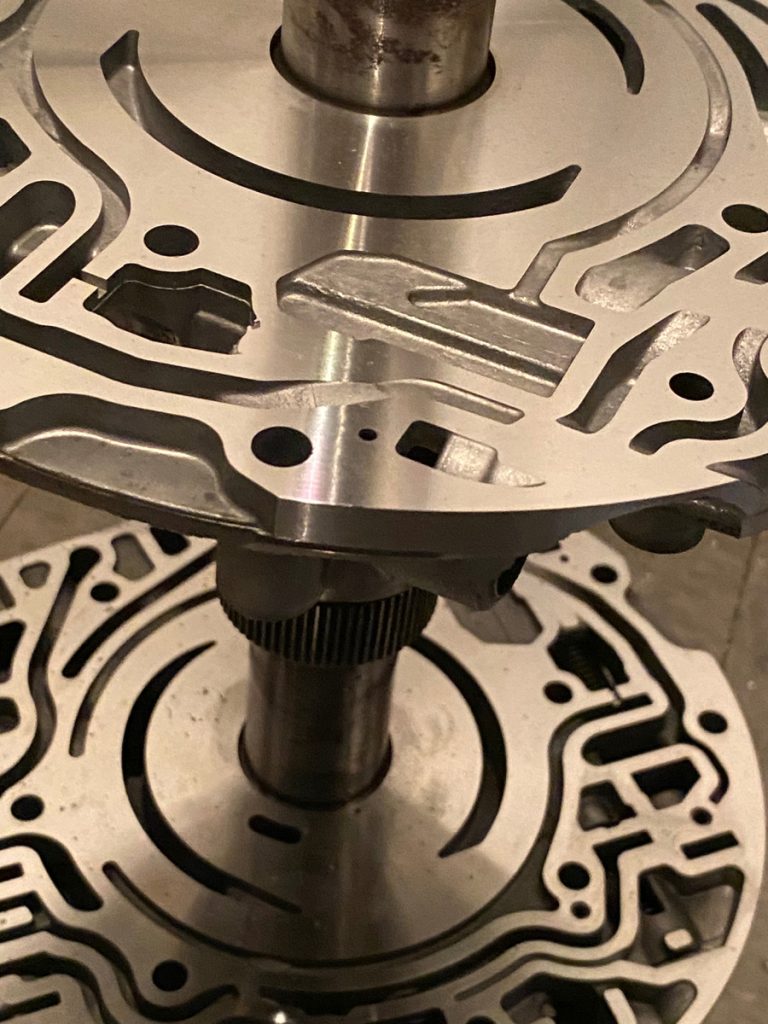
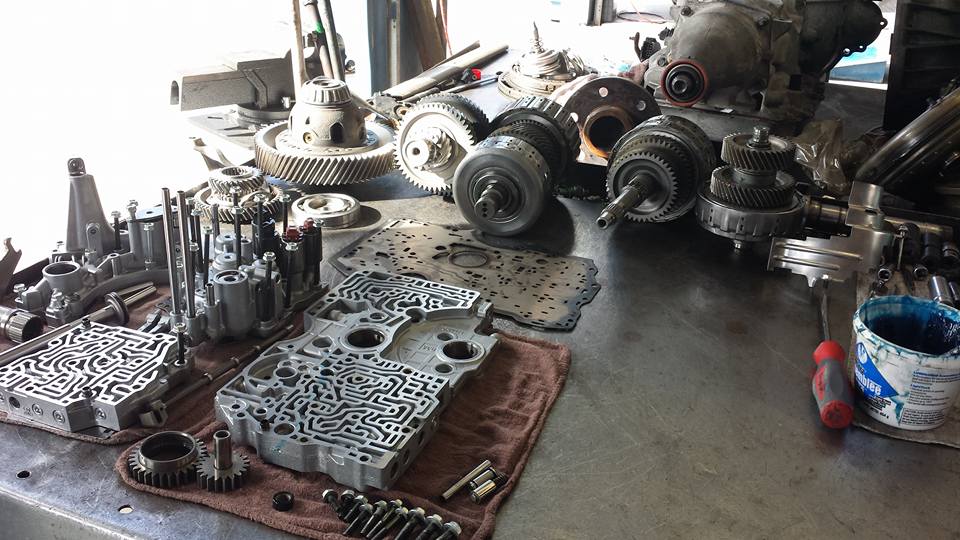
A rebuilt transmission is a unit that has been completely disassembled, inspected, and reassembled using new re-machined parts, fresh seals, gaskets, and other key components that were worn o r damaged.
Only the parts that failed or show wear are replaced; the rest that remain in good condition are reused.
Think of it as bringing your transmission back to life without replacing every single piece.
Rebuilt vs. Remanufactured Transmission
Many customers get confused by the difference between the two:
✅ Rebuilt Transmission
- The shop opens your unit.
- It replaces only what is needed.
- Perfect for local repairs when the failure is moderate.
✅ Remanufactured Transmission
- Built by a transmission remanufacturing company.
- Uses upgraded components, engineered to exceed OEM standards.
- Often includes updated torque converter, transfer cases, and other major parts.
- Usually tested to exceed OEM specifications before shipping.
- Comes ready to install straight from the online catalog or supplier.
If you want something that’s like-new—or sometimes better than new—remanufactured automatic transmissions and standard transmissions are hard to beat.
But depending on your car, your budget, and your situation, a rebuilt unit may be the right transmission for the job.
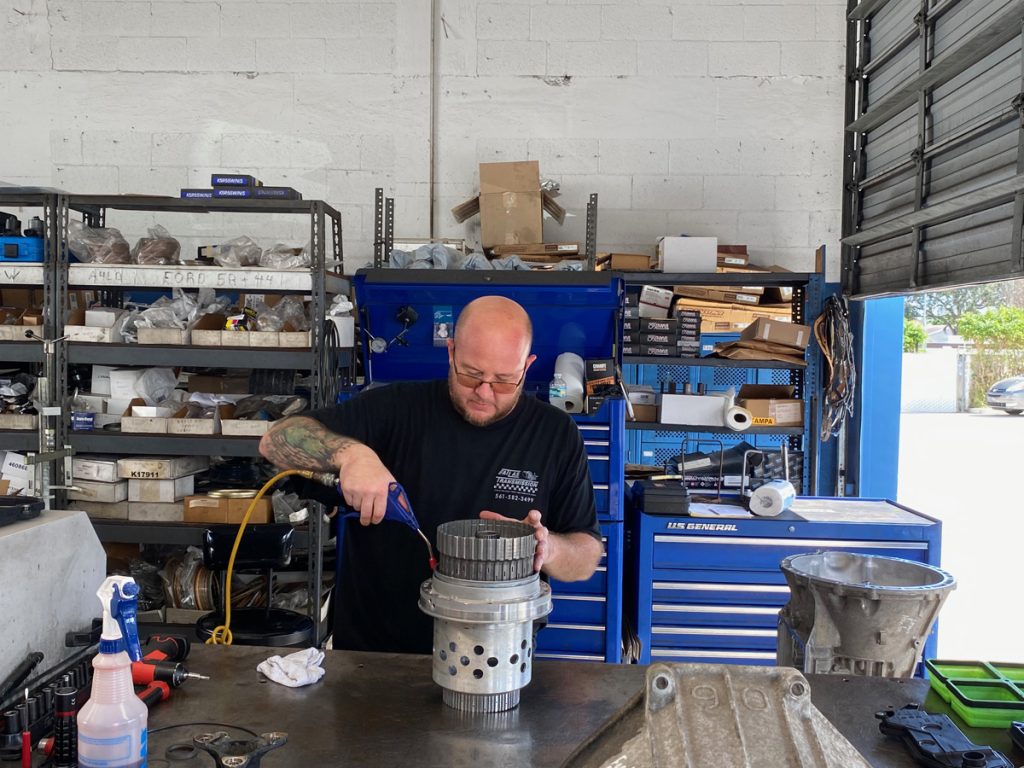
How a Rebuilt Transmission Is Performed
Every shop has its own workflow, but in general, here’s what happens:
1. Diagnose the Problem
A real technician will first check transmission fluid level, color, and smell.
Low fluid, burnt fluid, or metal in the pan can reveal a lot.
2. Transmission Is Removed From the Vehicle
This step includes checking the lines, cooler, mounts, and any parts that may cause problems later.
3. Completely Disassembled
Every bolt, clip, clutch, seal, and gear is laid out on the bench.
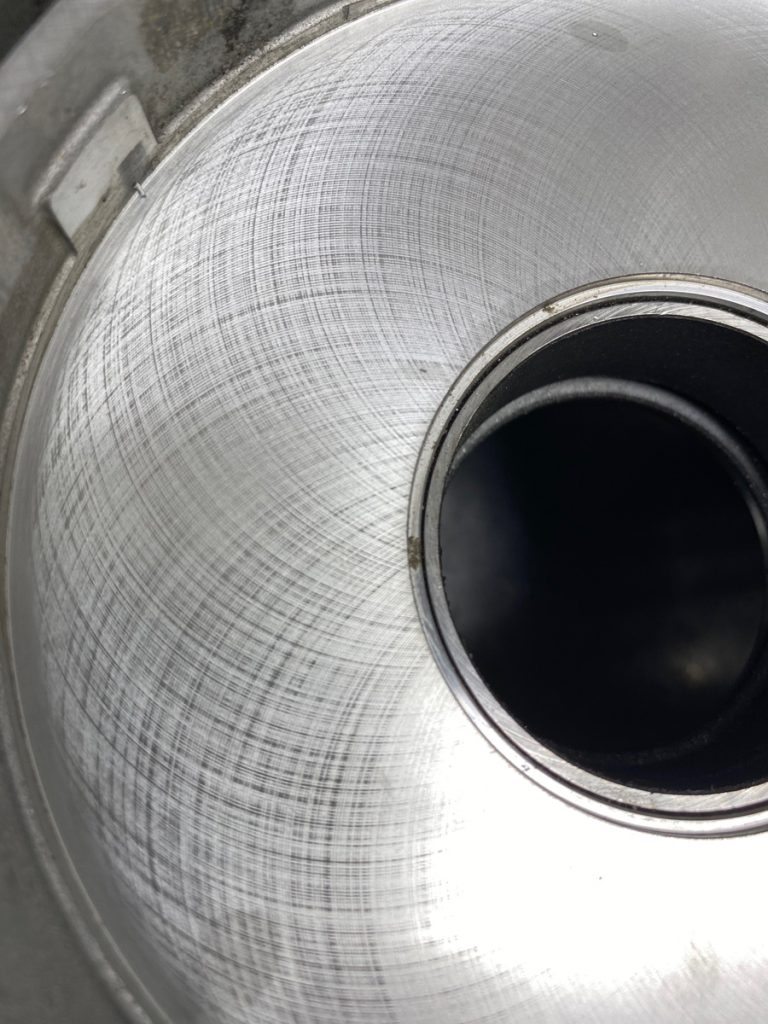
4. Replaced or Re-machined Parts Installed
Only the worn or damaged parts get replaced, keeping the price more competitive.
5. Reassembled With Care
The technician ensures proper specs, torque settings, and fit.
6. Test & Final Checklist
Fluid added. Pressures tested. No leaks. Smooth shifting.
Good shops take pride in their work and will explain everything so customers understand exactly what’s happening and why.
Rebuilt vs. Used Transmission
A used unit is cheaper, but it comes with big questions:
- How was it driven?
- Does it match your model exactly?
- How much labor to install if it fails again?
- What’s the warranty?
A rebuilt or remanufactured transmission gives confidence—because someone has gone through it, replaced components, tested it, and ensured reliability.
How Much Does a Rebuilt Transmission Cost?
Prices depend on several things:
- Vehicle year and model
- How much labor is required
- Parts availability
- Whether upgraded components are required
- The condition of your core
Transmissions are complicated and every problem is different, so the best way to get the correct price, warranty information, and what to expect is to talk to a trustworthy shop directly.
Why Choosing the Right Transmission Shop Matters
You want a place that knows your vehicle inside out and has the experience to diagnose, replace, repair, and maintain the transmission correctly.
A good shop should:
- Answer your concerns clearly
- Offer honest recommendations
- Provide warranty options
- Explain the difference between rebuilt, reman, and used
- Help you determine the best value
- Show professionalism and care
- Make sure the job is done right the first time
Avoid shops that quickly push the most expensive option without evaluating the actual problem.
After you’ve researched rebuilt transmissions, remanufactured units, OEM standards, and the whole process, you still need a shop you can trust.
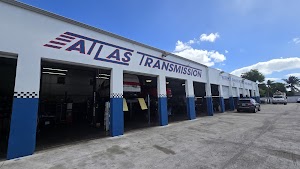
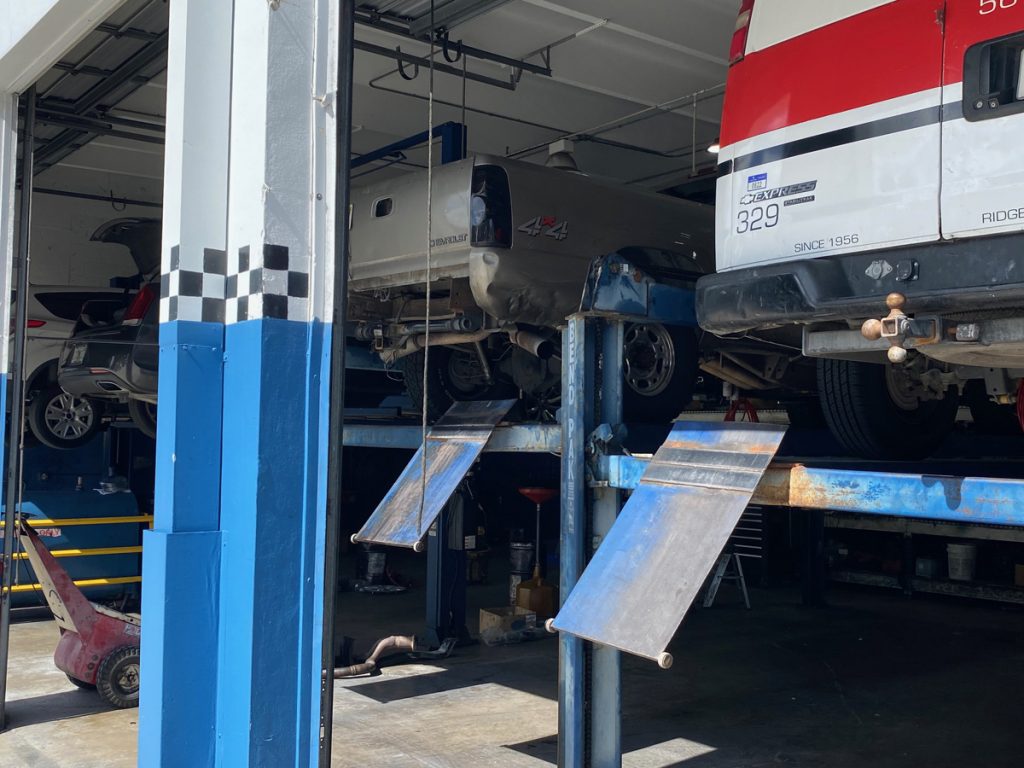
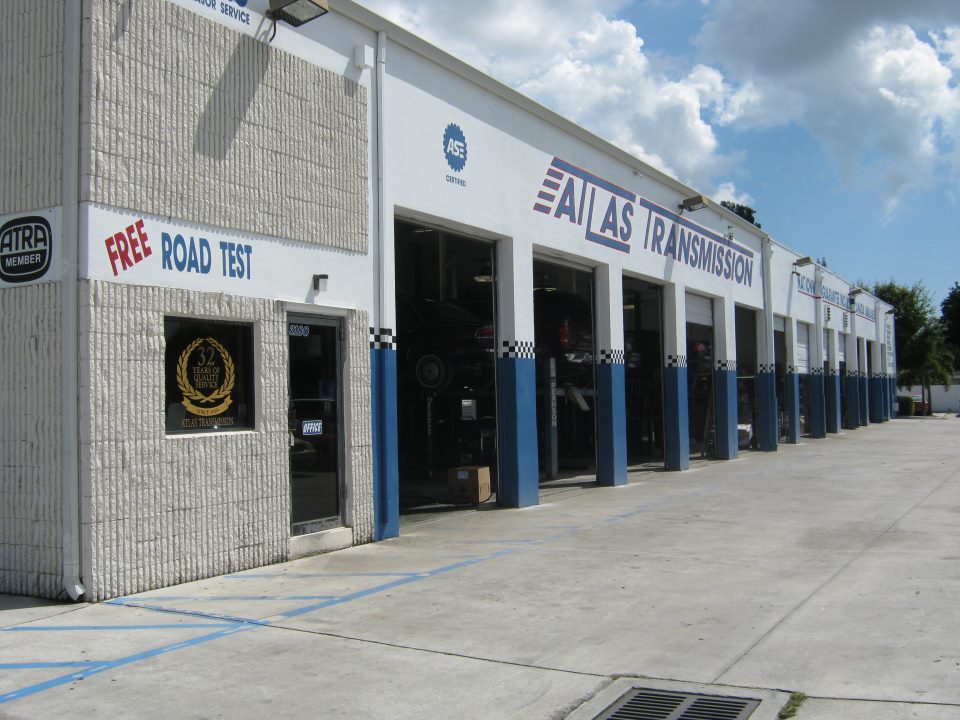
If you’re in Palm Beach County, there’s a reason so many people recommend Atlas Transmission.
Why Atlas Transmission?
- Locally owned and operated for over 47 years
- Family-run business with a strong reputation
- Specializes only in transmission work
- We rebuild, repair, and service all transmission types
- We use the latest technology for automatic and manual transmission diagnostics
- Customer comfort and understanding come first
- We explain every step so you know exactly what’s being done
- Fair pricing, honest labor, and quality craftsmanship
- We work on all makes and models
- We do everything possible to make sure our customers leave satisfied
Whether you need maintenance, a full rebuild, a reman, or just want a second opinion, our team is ready to help.
Contact Atlas Transmission
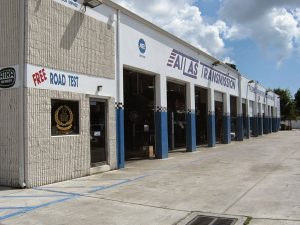 📍 3180 S Military Trail, Lake Worth Beach, FL 33463
📞 (561) 582-3499
📧 [email protected]
Frequently Asked Questions (FAQ)
1. Is a rebuilt transmission reliable?
Yes. When rebuilt correctly with quality parts, it can last as long as a remanufactured unit.
2. What’s the difference between rebuilt and remanufactured?
Rebuilt replaces only worn parts.
Remanufactured replaces all components and is tested to exceed OEM specifications.
3. How long does a rebuild take?
Usually 1–3 days, depending on workload, part availability, and vehicle type.
4. Does a rebuilt transmission come with a warranty?
Most professional shops offer a warranty. Atlas Transmission provides one depending on the build and vehicle type.
5. How do I know if my transmission is failing?
Watch for slipping, delayed shifting, strange sounds, leaks, or burnt fluid. If anything feels “off,” get it checked before the problem gets worse.