

Facing a potential transmission problem is stressful enough without the mystery of what it might cost. Whether your car is slipping gears, leaking fluid, or flashing a warning light, knowing realistic price ranges helps you make smarter decisions at the shop.
Key Takeaways
Most transmission repairs in 2025 fall between $400 and $7,000, depending on problem type and vehicle. Here’s what you need to know upfront:
- Minor transmission services (fluid change, sensor or solenoid replacement) usually cost $150–$600, while full rebuilds and replacements often range from $2,500–$7,500+ in the U.S.
- Repair costs are driven by transmission type (automatic, manual, CVT, dual-clutch), vehicle make/model/year, mileage, and how long the issue has been ignored.
- Catching symptoms early—slipping, delayed engagement, leaks, or warning lights—can save thousands by avoiding a full rebuild or replacement.
- Toward the end of this article, Atlas Transmission in Lake Worth Beach, FL is introduced as a trusted specialist that explains options clearly and helps drivers control transmission repair costs.
What Is a Transmission and Why Is It So Expensive to Fix?
Your vehicle’s transmission is the mechanical bridge between your engine and wheels. It manages how power flows to make your car move, and its complexity is exactly why the repair cost can climb quickly.
A modern automatic transmission—whether 6-, 8-, or 10-speed—uses a planetary gear system, hydraulic fluid pressure, and electronic controls to shift seamlessly while optimizing fuel efficiency. Continuously variable transmissions (CVTs) take a different approach, using belts or chains over pulleys to create infinite gear ratios without discrete shifts.
Manual transmissions remain mechanically simpler. They rely on a clutch pedal, synchros, and a shift lever operated by the driver. This simplicity generally means lower repair bills when something goes wrong.
What makes today’s automatic transmissions expensive isn’t just one thing. The transmission control module (TCM) communicates with dozens of sensors and solenoids while coordinating with the engine computer. A single modern unit can contain over 1,000 internal components. When something fails, diagnosing the exact problem takes specialized scan tools and experience.
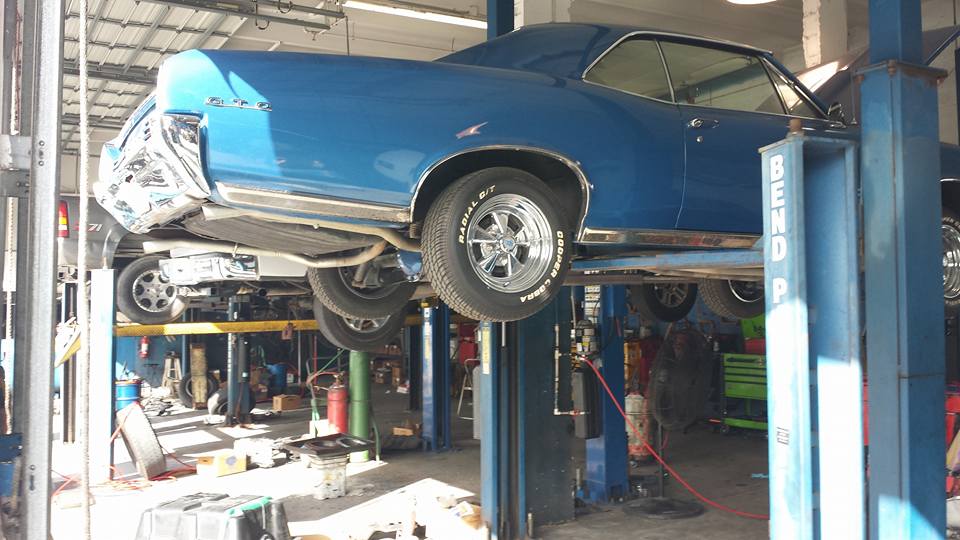
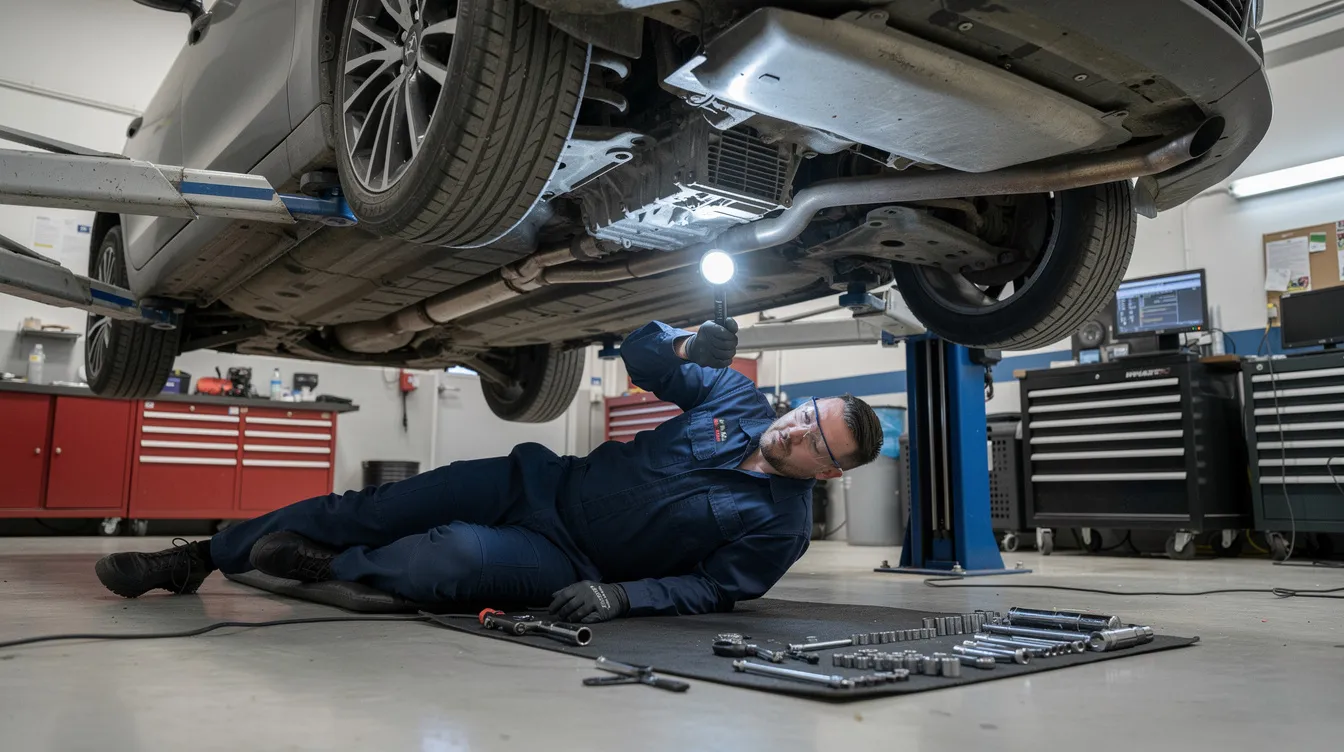
Then there’s the labor involved. A transmission weighs 150–300 pounds and sits buried deep in the vehicle. Removing it typically requires 8–12 hours of work—disconnecting the exhaust, supporting the suspension, separating driveshafts. That labor alone becomes a major part of your final price.
Average Transmission Repair Cost Ranges in 2025
The prices below represent typical U.S. ranges in 2025. High-end European and luxury models often sit above these figures.
| Service Type | Typical Cost Range |
|---|---|
| Basic fluid & filter service | $150–$350 |
| Transmission flush or fluid exchange with pan service | $250–$500 |
| External leak repairs (seals, pan gasket, cooler lines) | $200–$750 |
| Electronic repairs (sensors, solenoids, wiring) | $250–$900 |
| Torque converter replacement with fluid and labor | $800–$2,000 |
| Full in-vehicle repair with valve body work | $1,200–$3,000 |
| Transmission rebuild (domestic vehicles) | $2,500–$5,500 |
| Transmission rebuild (CVT and luxury units) | $3,500–$7,000+ |
| Remanufactured or replacement transmission installed | $3,000–$7,500+ |
Heavy-duty trucks like the Ram 2500 can exceed $8,000 for a full replacement. According to RepairPal data, full transmission replacement costs nationally average $5,892–$6,402, with labor running $1,092–$1,602 at rates between $90–$160 per hour.
Coastal metro areas—including South Florida—tend toward the higher end due to elevated shop overhead and local demand. A precise estimate always requires an in-person inspection, fluid check, and scan for diagnostic trouble codes.
Major Factors That Affect Transmission Repair Cost
Cost is rarely about just “one part.” It’s about a stack of compounding factors that shape your repair bill.
Vehicle make, model, and year play a significant role. An older GM 4L60E from a 1990s truck benefits from abundant aftermarket parts, keeping rebuild costs between $1,500–$3,000. A late-model 9-speed luxury crossover like the Jeep 9HP48 can run $4,000–$6,000 due to parts scarcity and complexity.
Transmission type is critical:
- Manual transmissions: $1,500–$3,000 (simpler design, no hydraulics)
- Automatic transmissions: $2,500–$5,000 (electronic integration)
- CVT units: $4,000–$7,000 (belt/chain stretch often means replacement)
- Dual-clutch transmissions: mechatronic failures alone can hit $2,000–$4,000
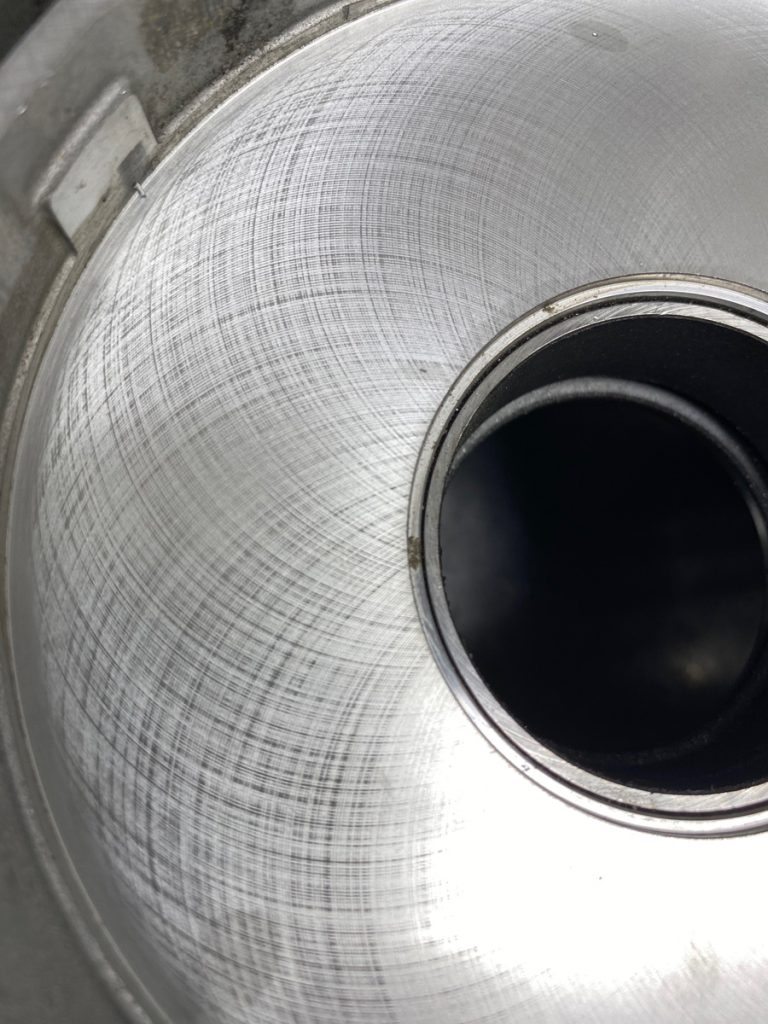
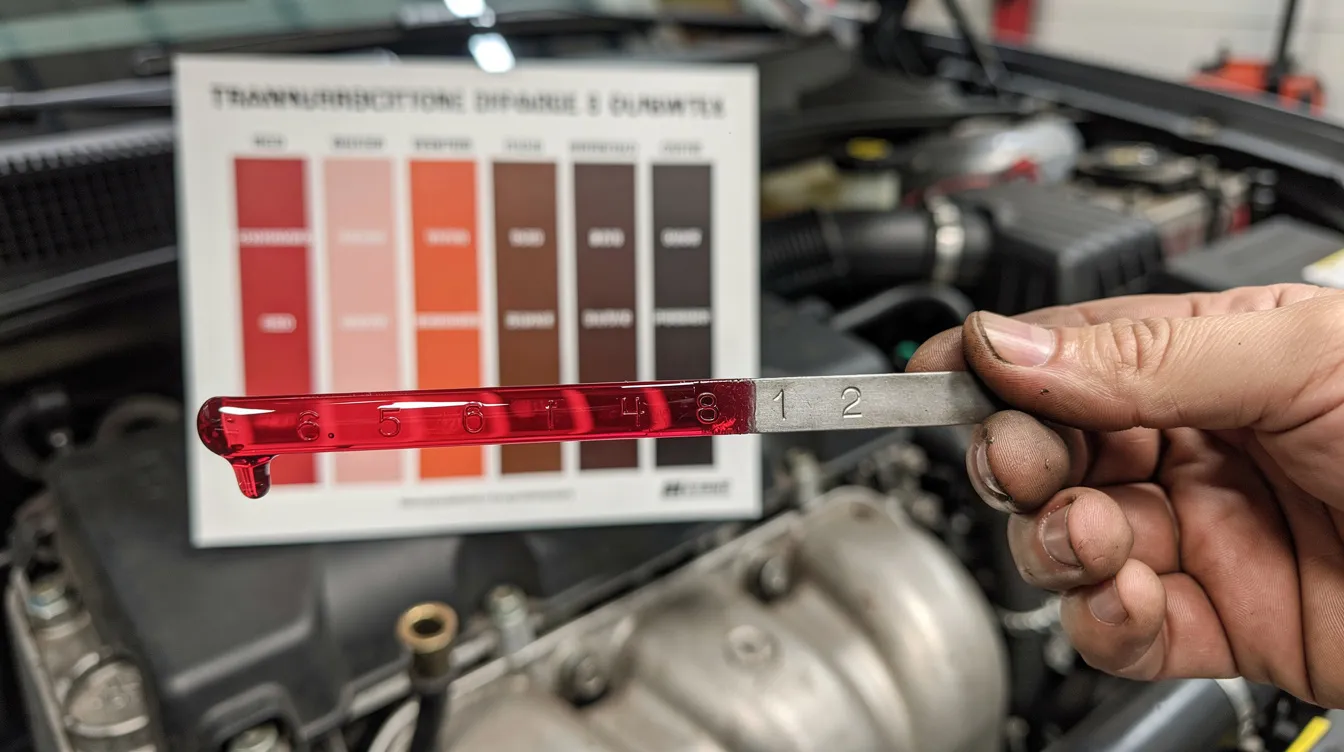
Mileage and maintenance history directly affect what’s needed. A 70,000-mile transmission with clean, pink fluid may only need minor repairs. A 180,000-mile unit with burnt brown fluid and metal shavings typically requires a rebuild or replacement—heat damage glazes clutches beyond repair.
Labor rates and local market vary considerably. Rural shops might charge $90/hour while Palm Beach County, FL shops commonly charge $140–$160/hour due to regulations and demand.
Parts source and quality matters too. OEM parts carry premium prices but often include 3-year warranties. Remanufactured units from suppliers like Jasper offer 40–60% savings over new while matching 80–90% of factory reliability. Used salvage units save money upfront but come with unknown history.
Diagnostic complexity adds time. Electronic faults can require 1–3 extra hours to trace intermittent issues using manufacturer-specific scan tools.
Common Transmission Problems and What They Typically Cost
Recognizing specific symptoms helps narrow down likely cost ranges before visiting a shop.
Slipping gears or RPM flaring feels like the engine revving without the car accelerating properly. This might cost a few hundred dollars if fluid service and minor parts resolve it. If clutches are burnt, expect $2,500+ for a rebuild.
Delayed engagement happens when shifting from Park to Drive takes 2–5 seconds. Causes range from low or contaminated transmission fluid ($150–$400 for service) to internal pump failure ($3,000+ if damage is confirmed). A failing transmission often shows this symptom early.
Hard or rough shifting points toward shift solenoid issues, valve body wear, or software problems. Typical repair ranges run $300–$1,500 depending on parts costs and labor hours required.
Transmission fluid leaks occur at various points:
- Pan gasket: $150–$250
- Axle seals: $200–$400
- Cooler lines: $150–$350
- Front pump seal: $400+
Leaking fluid left unchecked leads to transmission failure from overheating.
Check engine light and limp mode (stuck in 2nd or 3rd gear) often indicate sensor, wiring, or severe internal failure. Diagnostics run $100–$250, with total repair bills ranging from $300 to several thousand depending on findings.
Driving for weeks with these symptoms can turn a manageable repair into a full rebuild or replacement. A burning smell or metal in the fluid demands immediate attention.
Transmission Repair vs. Rebuild vs. Replacement
These three options represent different levels of intervention, each with distinct costs, downtime, and long term reliability implications.
Repair means fixing specific issues—solenoids, sensors, valve body, seals—without fully disassembling the unit. Cost typically falls between a few hundred to low thousands of dollars. Best for limited damage on lower-mileage vehicles.
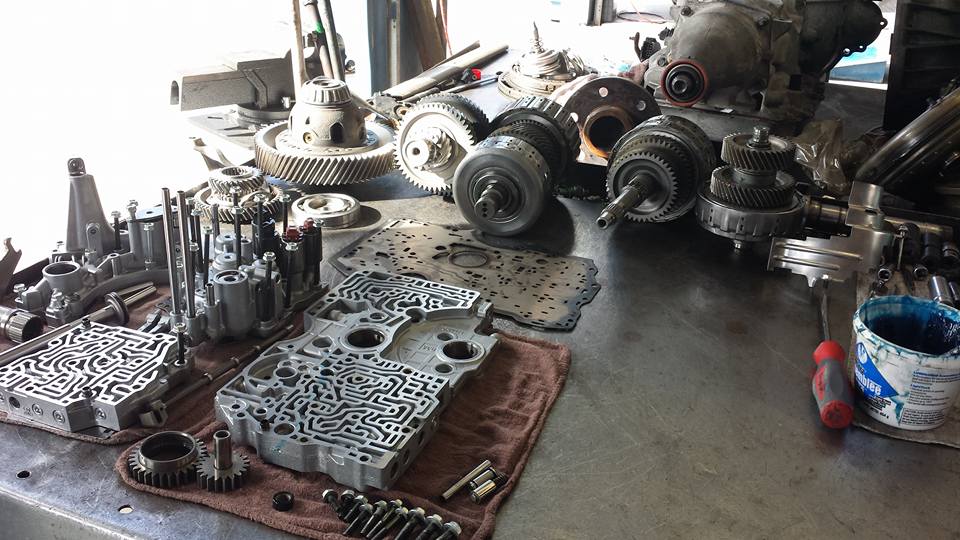
Rebuild involves removing and completely opening the existing transmission, cleaning all parts, and replacing worn “soft” parts like clutches, bands, seals, and gaskets while reusing good “hard” parts (case, gears). Rebuild costs run $1,800–$5,200 with a 3–5 day turnaround. Most shops offer 1–3 year warranties. This is the cost effective choice for older vehicles with solid cases and widespread internal wear.
Replacement swaps in a remanufactured unit or brand new transmission that’s been fully overhauled to factory specifications. This carries the highest upfront cost ($2,900–$8,000+) but often includes the strongest warranty options—some covering 3 years or 100,000 miles.
When deciding, compare your transmission estimate with the vehicle’s private-party value. Replacing a transmission on a car worth less than the repair rarely makes financial sense. For a paid-off truck worth $10,000, a $3,500 rebuilt transmission often beats years of new car payments.
How to Reduce Your Transmission Repair Cost Without Cutting Corners
The goal is to save money safely—not gamble on cheap fixes that fail quickly.
Prioritize regular maintenance. Fluid changes every 30,000–60,000 miles (check your owner’s manual for specifics) prevent 70% of failures according to ATRA. This $150–$300 service is far cheaper than repairing heat-damaged internal components.
Seek prompt diagnostics. As soon as you notice rough shifting, delayed acceleration, or leaks, get the vehicle inspected. Early action limits damage scope and overall cost.
Ask about parts options. Compare prices between rebuilt transmission units, remanufactured transmissions, and new components. Understand what warranty options accompany each choice.
Get multiple written estimates. Prices from transmission repair shops can vary by $1,000 or more. Comparing 2–3 quotes from reputable specialists helps you find fair pricing.
Avoid suspiciously low bids. Estimates lacking clear parts lists, warranty details, or documentation often indicate corner-cutting. Quality parts and proper labor take time and money.
Choosing a shop that specializes in transmissions can prevent misdiagnosis—saving you from paying for unnecessary parts.
Checking Warranty and Insurance Coverage
Before paying out of pocket, confirm whether existing coverage could offset transmission repair cost.
Powertrain warranties on new and late-model vehicles typically cover transmission problems. Coverage windows vary widely depending on manufacturer—some offer 5 years/60,000 miles while others extend to 10 years/100,000 miles.
Extended service contracts and third-party warranties often cover major transmission failures but may exclude wear items or situations involving neglected maintenance. Claims usually require proof of regular maintenance, so keep your service receipts.
Standard auto insurance typically does not cover mechanical breakdowns. However, some mechanical breakdown policies or specialty add-ons might provide coverage for transmission trouble.
When having a remanufactured unit installed, verify whether it comes with a separate part warranty. These typically range from 12 months/12,000 miles up to 3 years/100,000 miles depending on the supplier.
Choosing the Right Transmission Repair Shop
The shop you choose affects both cost and how long the repair lasts.
Look for specialization. Shops focusing on transmissions or driveline work bring deeper expertise than general repair shops. Check for ASE or ATRA certifications among technicians.
Read recent reviews. Focus on feedback from the past 12–24 months. Look for comments about honesty, clear communication, and how the shop handled warranty issues.
Ask about diagnostic process. Quality shops perform in-depth inspections, use proper scan tools, conduct road tests, and provide written estimates—not
quick guesses over the phone.
Request itemized breakdowns. Your estimate should separate parts, labor hours, shop fees, and fluid costs. This transparency helps you compare prices accurately and avoid surprises on the final bill.
Get warranty details in writing. Understand what’s covered on both parts and labor, and for how long.
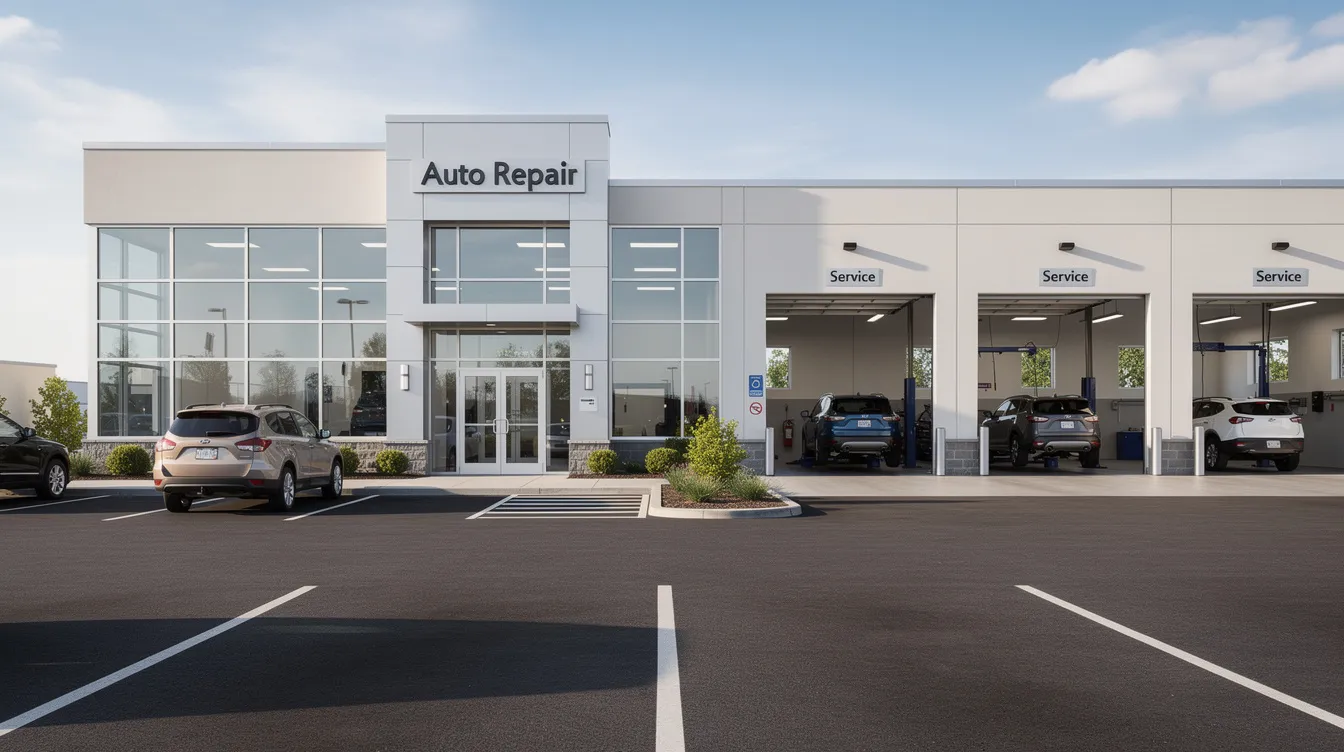
Visit in person. Cleanliness, organization, and how staff interact with customers reveal how they’ll likely treat your car’s transmission.
Atlas Transmission: Local Experts Helping You Control Transmission Repair Costs
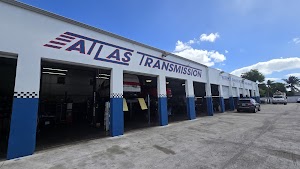
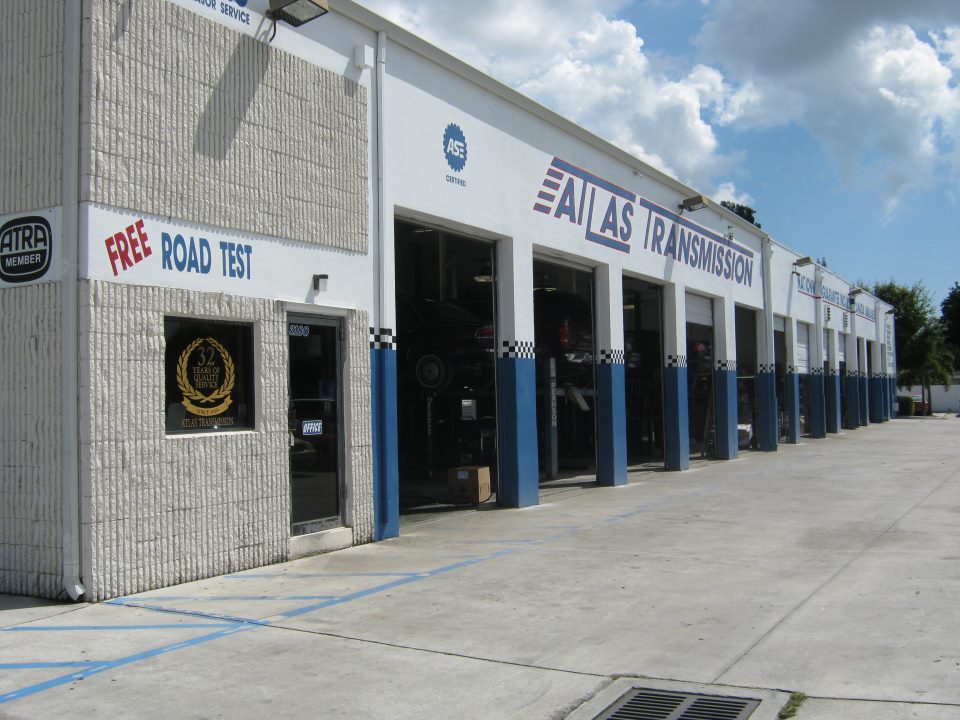
When transmission problems strike in South Florida, having a trusted specialist nearby matters. Atlas Transmission serves drivers in and around Lake Worth Beach, Florida with straightforward pricing and honest assessments.
Atlas Transmission has been locally owned and operated by the same family for over 47 years. That kind of continuity means experience, accountability, and a reputation built on doing things right.
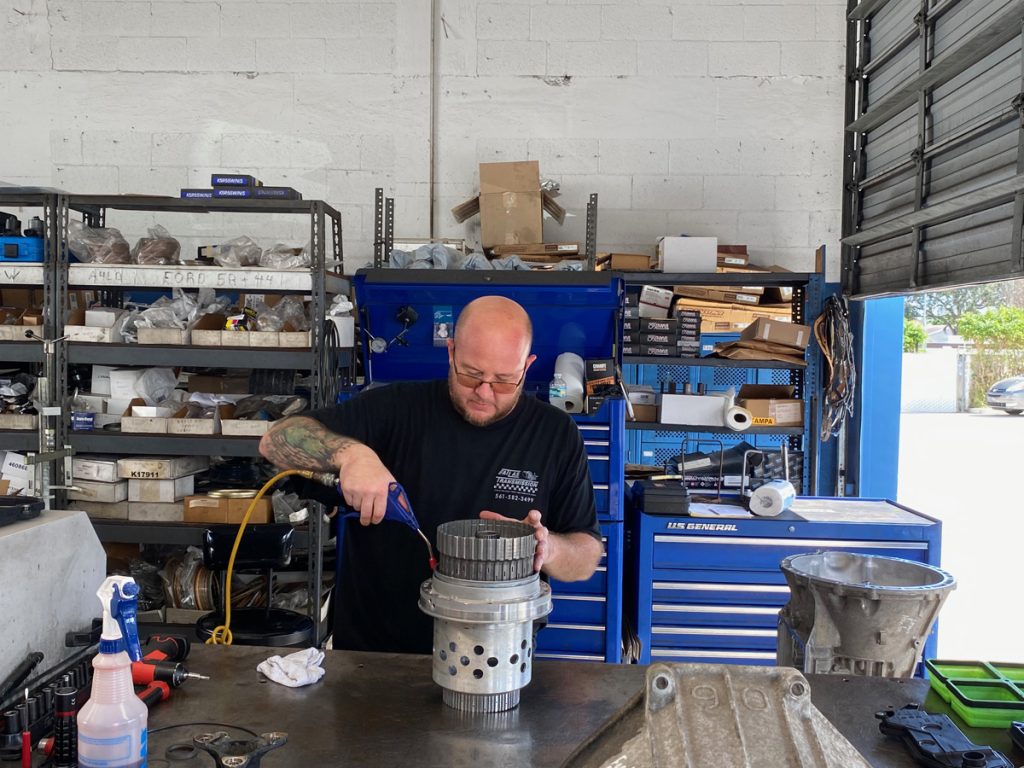
The shop specializes exclusively in transmission repair and rebuilding. Using the latest diagnostic technology and updated parts, the team handles every type of transmission—from automatic transmissions to manual ones and many CVT units.
Customer service comes first at Atlas. Expert technicians and service advisors walk you through exactly what’s wrong, what needs to be done, and what it will cost. No surprises, no pressure.
Whether you need a minor repair, a full transmission rebuild, or a quality remanufactured transmission, Atlas works to match solutions with budgets while explaining the pros and cons of each option.
Contact Atlas Transmission:
- Phone: (561) 582-3499
- Email: [email protected]
- Address: 3180 S Military Trail, Lake Worth Beach, FL 33463
Every customer should leave satisfied—with a transmission that shifts properly and a repair bill they understand.
Frequently Asked Questions About Transmission Repair Cost
Here are answers to questions drivers often ask after learning basic cost ranges, covering topics not fully addressed above.
Is it worth fixing an old car with a bad transmission?
It depends on the vehicle’s overall condition. If your car is structurally sound, paid off, and otherwise reliable, a $3,000–$4,000 transmission repair can still be cheaper than several years of new car payments. Compare the repair estimate to your vehicle’s current market value and consider how many more miles you realistically expect. Older vehicles with severe damage throughout—rust, engine issues, worn suspension—might not justify the investment.
How long does a rebuilt or replaced transmission usually last?
A properly rebuilt transmission or remanufactured unit, installed correctly and serviced on schedule, typically lasts 60,000–100,000+ additional miles. Longevity depends heavily on driving habits—towing, stop-and-go traffic, and aggressive acceleration all increase wear. Ask your shop about expected lifespan and warranty terms for your specific situation.
Can I keep driving if my transmission is slipping or shifting hard?
While the car may still move, continuing to drive with a slipping or harsh-shifting transmission usually worsens internal damage and raises your cost of transmission repair significantly. Limit driving and have the vehicle inspected promptly. If there’s a burning smell, loud whining, or metal particles in the fluid, arranging a tow may prevent a minor issue from becoming severe damage requiring an entire transmission replacement.
Are used transmissions a good way to save money?
Used transmissions from salvage yards cost less upfront but carry significant risk. Their history, actual mileage, and maintenance are often unknown, leading to a 40–50% failure rate within 12 months. If considering a used unit, source it from a reputable supplier with documented mileage and warranty coverage. Remanufactured transmissions cost more but have been rebuilt to standards with warranty options—offering better long term reliability.
What’s the best way to avoid expensive transmission repairs in the future?
Prevention centers on regular maintenance. Perform fluid changes every 30,000–60,000 miles per your vehicle’s specifications. Address leaks quickly before they cause transmission failure from overheating. Install auxiliary coolers when towing to reduce temperatures by up to 30°F. Schedule inspections after 100,000 miles even without symptoms. Keeping a simple service log helps both you and your repair shop spot patterns before minor issues become major repair bills.