
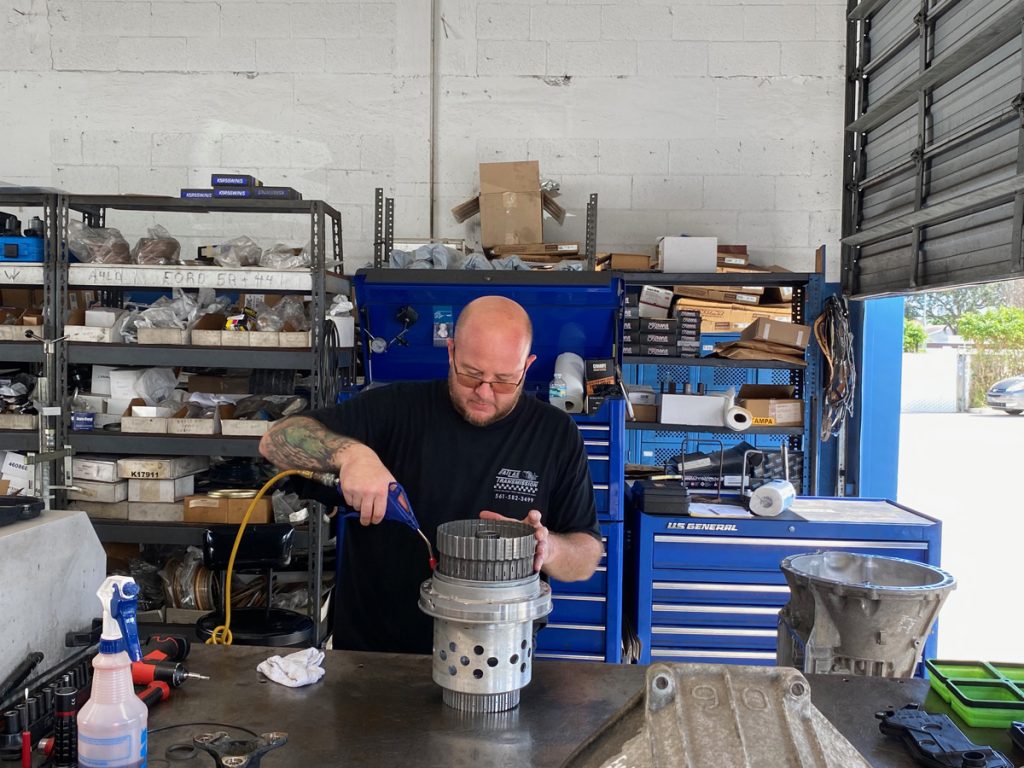

Quick Summary: Manual transmission care hinges on using the exact fluid, following the owner’s manual schedule, and watching for leaks or shift changes. Small habits like resting on the clutch or forcing gears cause costly wear, so check fluid monthly and shift deliberately. Grinding, hard shifts, leaks, or burnt smells warrant immediate inspection, ideally by Atlas Transmission in West Palm Beach.
A manual gearbox can shift well for years, until a missed fill plug, wrong fluid, or hill-holding clutch habit causes costly wear. Small mistakes can damage gears, synchronizers, and the clutch long before the car stops moving.
This manual transmission care guide tackles the parts owners often overlook: fluid choice, service intervals, clutch use, basic checks, and warning signs. You will learn practical manual transmission maintenance steps that fit your vehicle’s owner manual and driving conditions.
Good manual transmission care is not guesswork. It means checking the right parts, using the correct lubricant, and acting early when shifts change. This manual transmission guide also explains when a DIY inspection makes sense and when skilled transmission service is the safer call.
Understand What Manual Transmission Care Protects
The Clutch, Gearbox, and Synchronizers Have Different Jobs
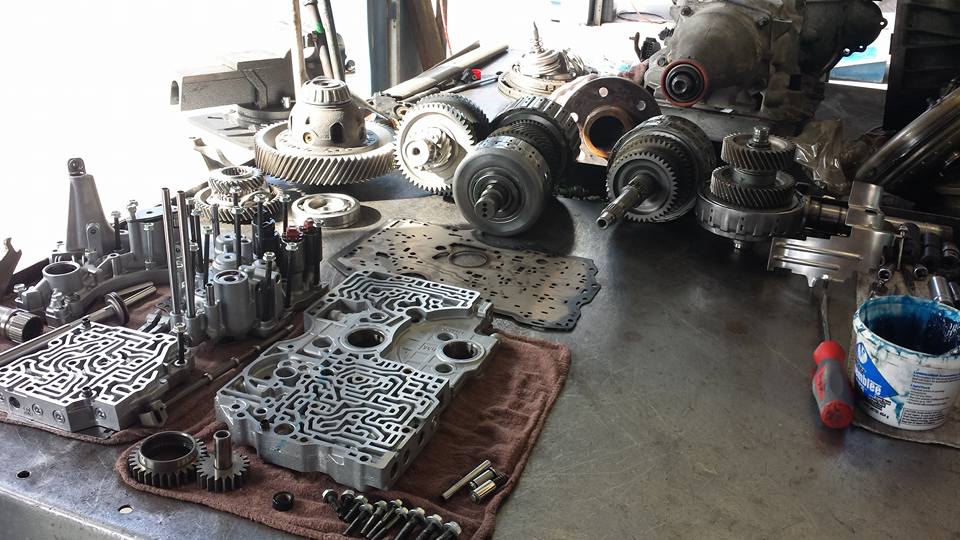
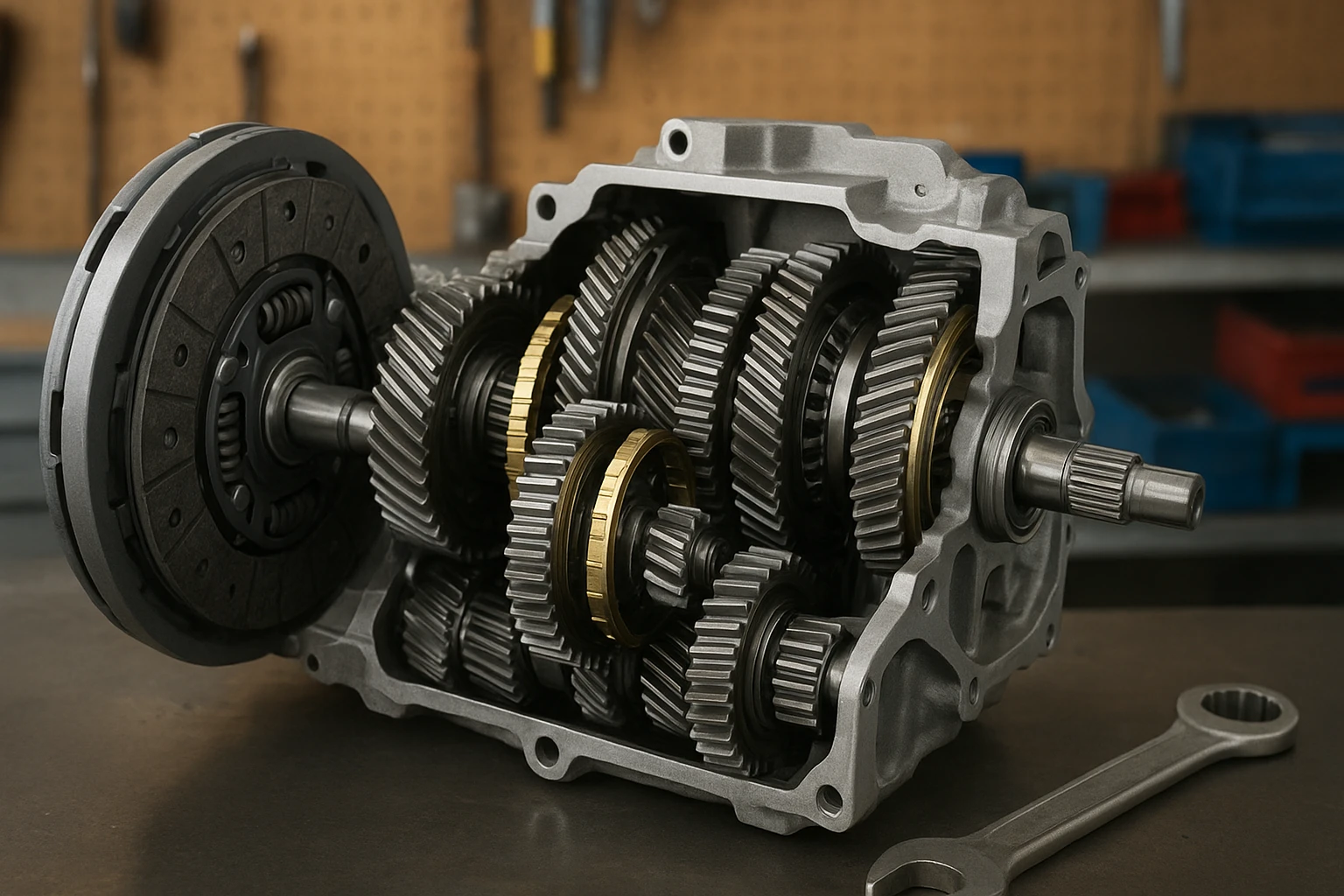
Your clutch disconnects engine power so you can select a gear. The gearbox uses gears and bearings to send that power at the right ratio. Synchronizers match gear and shaft speeds before engagement, which prevents a clash and helps shifts feel smooth.
| Part | Main job | What routine care helps prevent |
|---|---|---|
| Clutch | Connects and disconnects engine power | Slip, heat damage, early wear |
| Gearbox | Changes drive ratios | Gear and bearing wear |
| Synchronizers | Match speeds during a shift | Grinding and hard shifts |
Do not rest your foot on the clutch pedal. Light pressure can keep the clutch partly engaged.
Why Correct Fluid Matters
Manual transmission fluid lubricates gears, bearings, and synchronizers. It also affects shift feel. SAE research on manual transmissions shows that fluid chemistry influences synchronizer friction, wear, and shift behavior.
Use the exact fluid type and grade in your owner’s manual. The wrong gear oil may feel fine at first, then cause stiff shifts or synchronizer wear.
- Check for leaks around seals and the drain plug.
- Follow the maker’s fluid-change interval.
- Investigate new grinding, notchiness, or burnt odor promptly.
Build a Manual Transmission Maintenance Schedule
Put recurring checks on your phone calendar. It takes minutes and helps you spot a leak or clutch issue before it grows.

What to Check Monthly or During Routine Service
Check these items monthly, or whenever you change engine oil:
- Look under the car for fresh oil near the transmission, axle seals, or clutch housing.
- Note any new grinding, whining, hard shifts, or a clutch pedal that feels different.
- Check clutch fluid level if your vehicle uses a hydraulic clutch.
- Test that reverse and every forward gear engage cleanly when parked.
- Inspect shift linkage or cables for loose clips, torn boots, and rust.
| Check | Normal result | Act soon if |
|---|---|---|
| Clutch pedal | Smooth, steady feel | Spongy, sticking, or low engagement |
| Shifting | Clean gear changes | Grinding or repeated resistance |
| Transmission case | Dry exterior | Fresh fluid or drips |
A manual gearbox can feel stiffer when cold. Avoid forcing shifts until fluid warms up, as GM notes in its manual-transmission bulletin.
When to Change Manual Transmission Fluid
Use your owner’s manual as the schedule authority. Fluid type, capacity, and change interval vary by model, engine, and transmission.
- Record the mileage and date at every fluid service.
- Use only the listed fluid grade and spec.
- Move the service earlier for towing, track use, flood exposure, or frequent stop-and-go driving.
- Book an inspection now if fluid contains metal flakes, smells burnt, or shifting worsens.
Do not approve a transmission flush or additive just because it is offered. Mazda advises following the vehicle-specific factory schedule and warns that some additives can cause damage.
Check the Fluid Level and Service the Lubricant Safely
How to Check a Manual Transmission Fluid Level
Check your owner’s manual first. It lists the right fluid, capacity, plug locations, and torque specs.
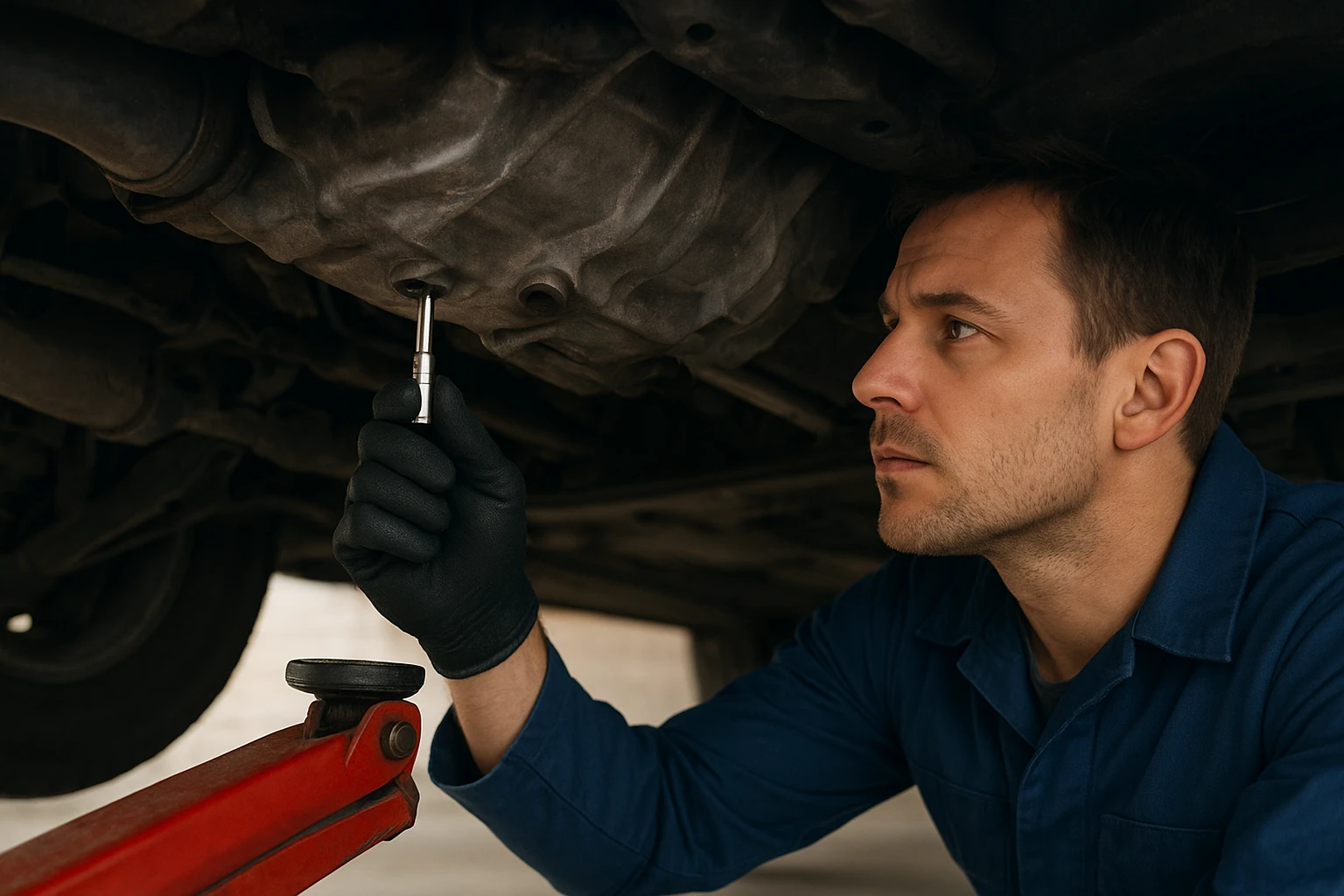
Park on level ground, set the parking brake, and let the gearbox cool. Raise the vehicle only with ramps or jack stands on solid ground. Never work under a vehicle held up by a jack alone.
- Find the side-mounted fill plug, not the lower drain plug.
- Loosen the fill plug before draining anything.
- Remove it and look inside with a clean finger or small tool.
- On many gearboxes, fluid should sit at the bottom edge of the fill hole.
Warning: A low level usually means a leak. Topping it off is not the repair. Check seals, plug washers, and the case for fresh oil.
What a Fluid Change Should Include
Use only the fluid specification your vehicle maker calls for. The wrong lubricant can hurt shift feel and wear synchronizers.
| Step | What to do |
|---|---|
| Drain | Catch old fluid in a pan and inspect it for heavy metal debris |
| Seal | Clean plugs and fit new washers if required |
| Refill | Pump in fresh fluid until it reaches the fill-hole level |
| Verify | Torque plugs to spec, road-test, then check for leaks |
Guidance on manual fluid service also stresses keeping the vehicle level during filling. If you find glittery oil, broken plug threads, grinding, or a continuing leak, stop and have Atlas Transmission inspect it.
Protect the Clutch, Shifter, and Transmission While Driving
Use the Clutch Fully and Deliberately
Press the clutch pedal all the way down before moving the shifter. Shift, then release the pedal smoothly. Do not rest your foot on it between shifts. That light pressure can keep the clutch partly released and add wear.
At long red lights, shift to neutral and release the pedal rather than holding it down.

If the clutch will not fully release, gear changes can become difficult. A NHTSA recall notice notes that this fault can prevent normal shifting and cause loss of drive.
- Use the parking brake for hill starts.
- Avoid holding the car on a hill with clutch slip.
- Keep your left foot on the dead pedal when cruising.
Shift Smoothly and Select the Right Gear
Guide the shifter into gear. Never force it. Pause briefly between gears when the transmission is cold, since thicker fluid raises shift effort and makes gear clash more likely, according to a GM manual-transmission bulletin.
- Downshift before the engine lugs under load.
- Come to a full stop before selecting reverse.
- Remove your hand from the shifter once engaged.
Grinding, a new hard shift, or repeated pop-outs deserves prompt diagnosis.
Recognize Warning Signs Before Damage Spreads
Shifting, Grinding, and Gear Engagement Problems
A healthy shifter should move into gear with steady, light effort. Pay attention if it starts to resist, feels notchy, pops out of gear, or grinds during normal shifts.
- Grinding in one gear can point to a worn synchronizer.
- Hard shifts into every gear may involve the clutch, linkage, or low fluid.
- A clutch pedal that feels soft, sticks, or releases near the floor needs prompt checks.
- Clutch slip shows up as rising engine speed without matching vehicle speed.
Cold fluid can make shifts stiff at first. Let the car warm up and avoid forcing quick shifts. GM notes that thicker cold fluid raises shift effort and can increase gear clash, especially when shifts are rushed in its manual transmission bulletin.
Stop forcing the shifter. Repeated grinding can turn a smaller clutch or synchronizer issue into costly gear damage.
Leaks, Noise, Odor, and Fluid Clues
Check the ground after parking. Fresh transmission fluid may look amber, red, or brown, depending on your vehicle. A wet case, drip near the bell housing, or falling fluid level calls for inspection.
| Warning sign | What it may suggest | Best next step |
|---|---|---|
| Whine or growl that rises with speed | Bearing or gear wear | Schedule diagnosis |
| Burning smell after driving | Overheated clutch or fluid | Stop heavy driving |
| New leak under transmission | Seal, case, or vent issue | Find source before topping off |
A light rattle in neutral can be normal on some models. A new loud noise, however, is not. Note when it occurs: cold or hot, accelerating or coasting, clutch up or down. This detail helps isolate the source.
If a leak, burning odor, and hard shifting appear together, park the vehicle and arrange professional service.
Avoid Common Maintenance Mistakes and Know When to Call a Professional
Maintenance Mistakes That Can Cause Damage
Small habits can shorten clutch and gearbox life.
- Do not rest your foot on the clutch pedal.
- Do not hold a hill with the accelerator and clutch. Use the brake or parking brake.
- Do not force a gear that resists engagement.
- Use only the fluid grade and fill level in your owner’s manual.
A hot clutch can smell burnt, slip, and lose power. NHTSA recall records show that severe overheating can damage clutch and transmission parts.
When Professional Diagnosis Is the Safer Choice
Call a transmission shop if shifting grinds, a gear pops out, fluid leaks, or the clutch pedal suddenly feels soft or sticks.
| Symptom | Safer next step |
|---|---|
| Grinding in one gear | Schedule diagnosis |
| Burning smell or smoke | Stop driving and seek service |
| New noise with pedal use | Have clutch parts inspected |
Do not keep driving through a new noise. A proper road test and gear-by-gear check help isolate the cause, as outlined in this NHTSA technical bulletin.
Keep your manual transmission shifting clean and reliable. Schedule a fluid, clutch, or driveline inspection with Atlas Transmission in West Palm Beach today.
Frequently Asked Questions
Q1: How often should manual transmission fluid be changed?
Follow your owner’s manual. Many vehicles need fresh fluid every 30,000 to 60,000 miles. Change it sooner after hard towing, track use, or repeated water exposure.
Q2: What are the signs of a failing manual transmission?
Watch for grinding, hard shifts, gear pop-out, whining, leaks, or a burning smell. A slipping clutch can feel similar, so get a proper inspection.
Q3: How do I check the fluid level in a manual transmission?
Park on level ground, let the drivetrain cool, and remove the fill plug. Fluid should sit near the lower edge of the opening.
Q4: Can I use any gear oil in my manual transmission?
No. Use only the fluid grade and specification listed by the vehicle maker. The wrong oil can harm synchronizers and make shifting worse.
Conclusion
Manual transmission care comes down to steady habits. Use the exact fluid and service interval in your owner’s manual, check for leaks, and keep the clutch hydraulic system in good shape. Shift smoothly, fully press the clutch, and do not rest your foot on the pedal.
| Check | Why it matters |
|---|---|
| Fluid condition and level | Protects gears and bearings |
| Clutch feel and engagement | Helps catch slip or drag early |
| New noises or hard shifts | Points to a fault before it grows |
Stop driving and arrange service if gears grind, the clutch slips, or fluid leaks appear.
Manufacturer manuals also call for checking clutch operation and smooth first or reverse shifts during routine care, as shown in this Subaru maintenance guide.