
Key Takeaways
- Choose a transmission repair place with certified technicians and modern diagnostic equipment
- Look for shops offering comprehensive warranties of at least 12 months or 12,000 miles
- Quality transmission repair places provide detailed inspections before recommending services
- Reputable shops offer transparent pricing and financing options for major repairs
- The best transmission repair places handle both automatic and manual transmissions for all vehicle makes
Your vehicle’s transmission is one of its most critical components, responsible for transferring power from the engine to the wheels and ensuring smooth operation across all driving conditions. When transmission problems arise, finding the right transmission repair place can mean the difference between a reliable, long-lasting fix and costly future issues that leave you stranded.
The transmission repair industry encompasses a wide range of services, from simple fluid changes to complete rebuilds that can cost thousands of dollars. With so much at stake, choosing the wrong shop can result in subpar repairs, voided warranties, or even additional damage to your vehicle. This comprehensive guide will help you navigate the process of finding a trustworthy transmission repair place that delivers quality service, fair pricing, and the peace of mind you deserve.
Whether you’re dealing with warning signs like strange noises, slipping gears, or that dreaded check engine light, or you’re simply looking to establish a relationship with a reliable service provider for future maintenance needs, understanding what separates exceptional transmission repair places from the rest is crucial for protecting your investment and ensuring your safety on the road.

What Makes a Quality Transmission Repair Place
When searching for a transmission repair place, several key characteristics distinguish top-tier shops from mediocre ones. The foundation of any quality transmission service begins with certified technicians who possess the expertise to diagnose and fix complex transmission issues accurately.
Look for shops that employ ASE (Automotive Service Excellence) certified technicians who specialize in transmission work. These professionals have demonstrated their knowledge through rigorous testing and continue their education to stay current with evolving automotive technology. A quality transmission repair place will proudly display these certifications and be willing to discuss their technicians’ qualifications.
Modern diagnostic equipment represents another crucial element of a professional operation. Today’s vehicles rely heavily on computer systems to control transmission functions, making advanced scanning tools and diagnostic software essential for accurate problem identification. The best transmission repair places invest in state-of-the-art equipment that can communicate with your vehicle’s onboard computer systems, read error codes, and perform comprehensive system checks.
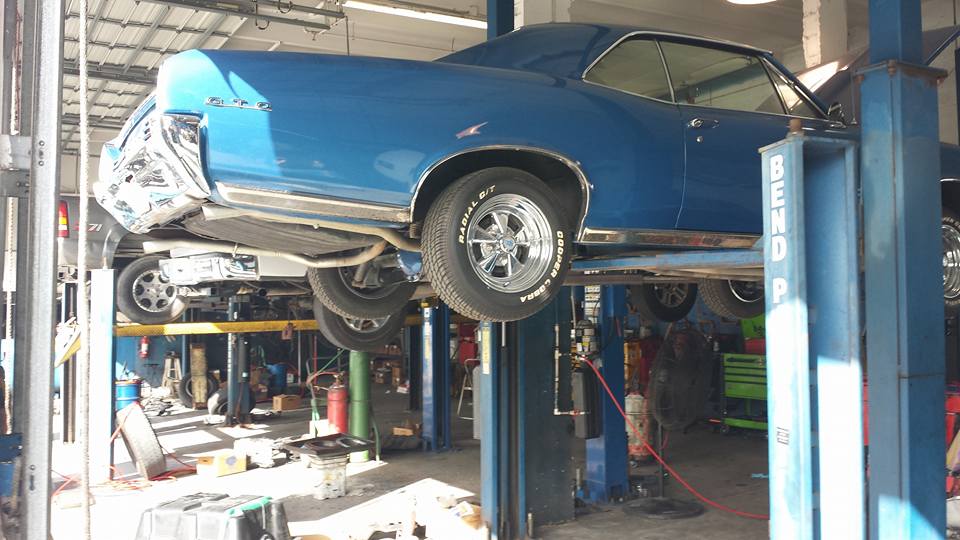
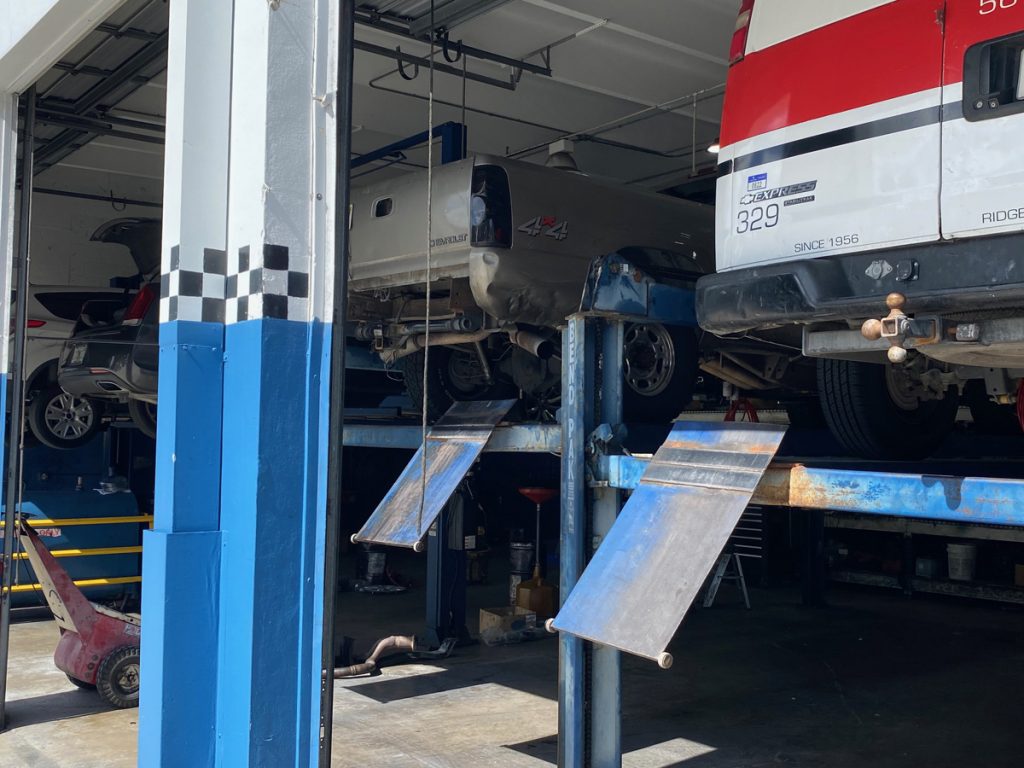
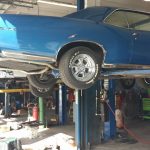
The physical facility itself provides valuable insights into the shop’s commitment to quality. A clean, organized workspace with proper lifting equipment, adequate lighting, and safety protocols demonstrates professionalism and attention to detail. These characteristics often translate into higher quality repairs and better customer service.
Customer reviews and Better Business Bureau accreditation serve as important indicators of a shop’s reputation within the community. Quality transmission repair places maintain positive relationships with their customers and address any concerns promptly and professionally. Check online reviews across multiple platforms and pay attention to how the business responds to both positive and negative feedback.
Transparent communication about repair processes, costs, and timelines is essential for building trust between you and your chosen transmission repair place. Reputable shops will explain what they find during inspections, provide detailed estimates, and keep you informed throughout the repair process. They should never pressure you into unnecessary services or use scare tactics to secure your business.
Experience with your specific vehicle make and model can significantly impact the quality of service you receive. While good technicians can work on various vehicles, those familiar with your car’s particular transmission system will likely diagnose problems more quickly and complete repairs more efficiently.
Essential Services Offered by Professional Transmission Shops
A comprehensive transmission repair place should offer a full range of services to address every aspect of your vehicle’s transmission system. Understanding these services helps you evaluate whether a shop can meet all your current and future transmission needs.
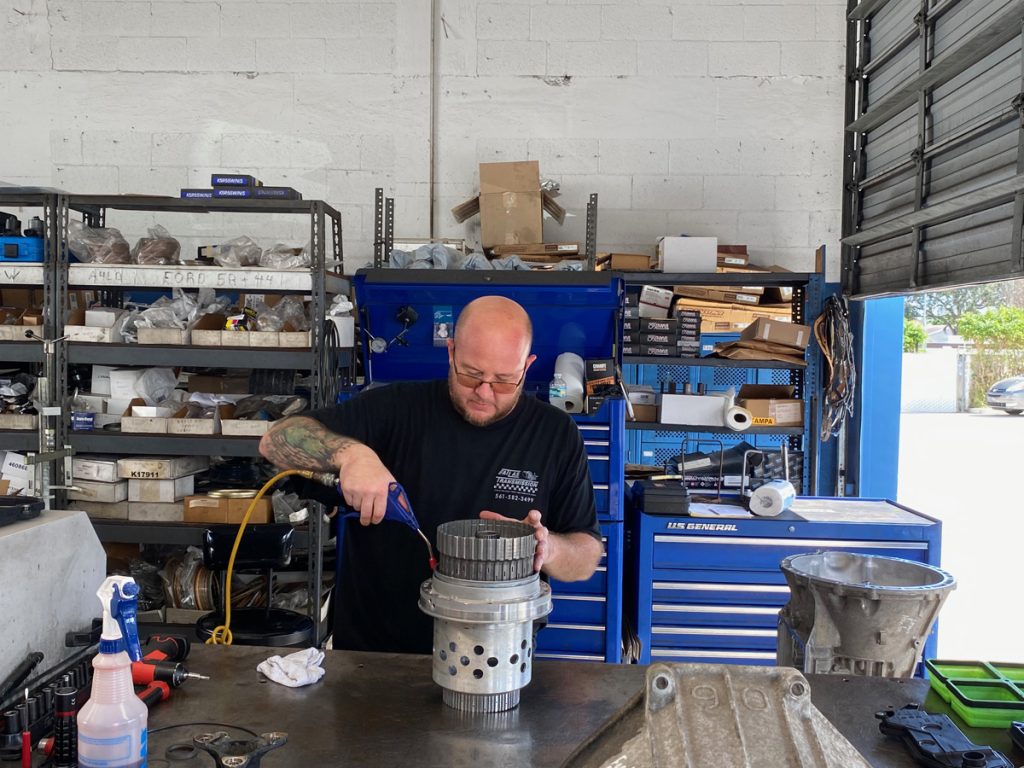
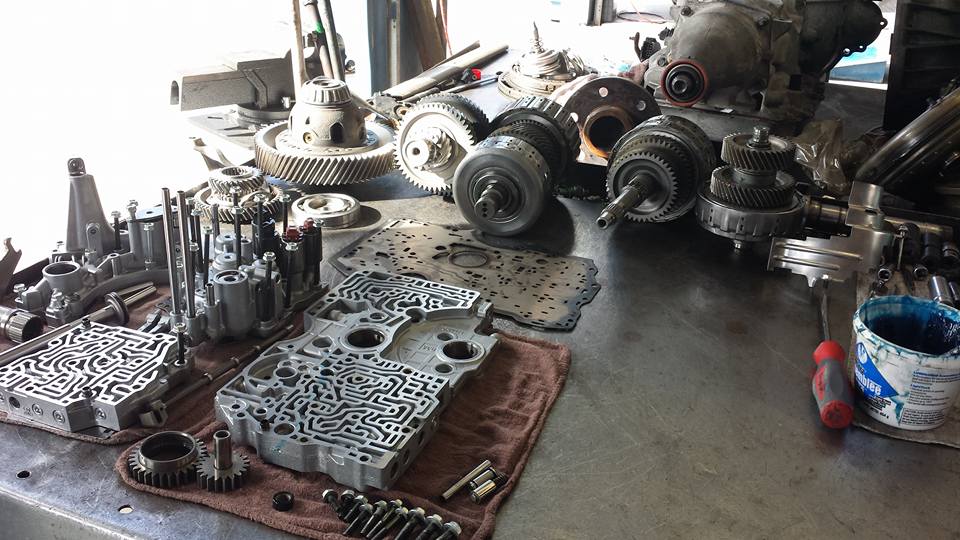
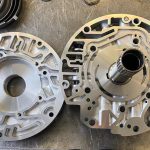
Professional transmission shops typically provide complete transmission rebuilds and replacements for vehicles with extensive internal damage. This process involves disassembling the entire transmission, cleaning all components, replacing worn parts, and reassembling the unit to manufacturer specifications. Quality shops guarantee their rebuild work and use high-grade replacement components to ensure long-lasting performance.
Regular maintenance services form the backbone of transmission care, with fluid changes and flushes representing the most common preventive measures. Transmission fluid lubricates internal components, facilitates smooth shifting, and helps regulate operating temperatures. Professional shops use the correct fluid type for your specific vehicle and can perform both simple drain-and-fill services or complete system flushes depending on your car’s transmission service requirements.
For vehicles with manual transmissions, clutch repair and replacement services are essential offerings. The clutch system allows drivers to engage and disengage the transmission from the engine, and when components wear out, shifting becomes difficult or impossible. Experienced technicians can replace clutch discs, pressure plates, and related components to restore proper operation.
CV joint and driveline services address the components that transfer power from the transmission to the wheels. These systems endure significant stress during operation, particularly in front-wheel-drive vehicles, and require periodic maintenance or replacement to maintain smooth power delivery and prevent vibrations.
Differential repair and maintenance services are crucial for vehicles with rear-wheel or all-wheel drive systems. The differential allows wheels to rotate at different speeds during turns while maintaining power delivery. Professional shops can service differential fluid, replace worn components, and address noise or vibration issues.
Transfer case services become vital for 4WD vehicles that rely on these components to distribute power between front and rear axles. Regular maintenance and prompt repairs ensure proper four-wheel-drive operation and prevent costly damage to related systems.
Computer diagnostics for transmission-related error codes represent an increasingly important service as vehicles become more sophisticated. Modern transmissions rely on sensors, solenoids, and computer controls that can trigger error codes when problems arise. Professional diagnostic equipment can read these codes and provide valuable information for accurate repairs.

Automatic Transmission Services
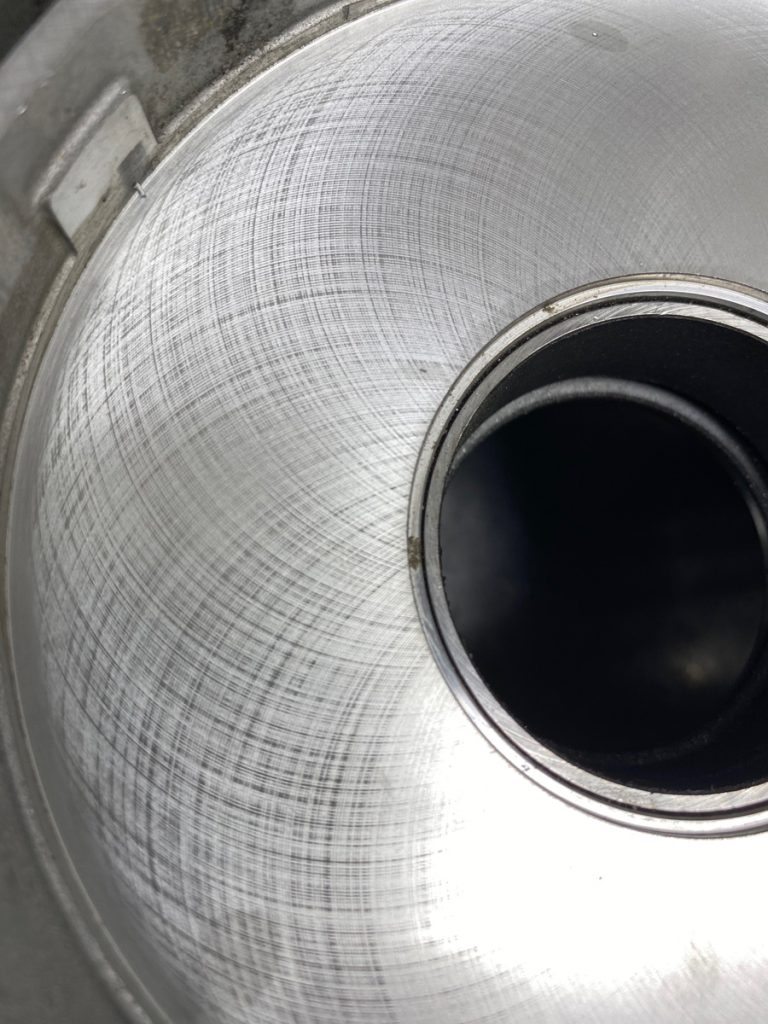
Automatic transmissions require specialized services that address their unique hydraulic and electronic control systems. Torque converter repair and replacement services handle the component that transfers power from the engine to the transmission through hydraulic coupling. When torque converters fail, vehicles may experience shuddering, overheating, or complete loss of power transfer.
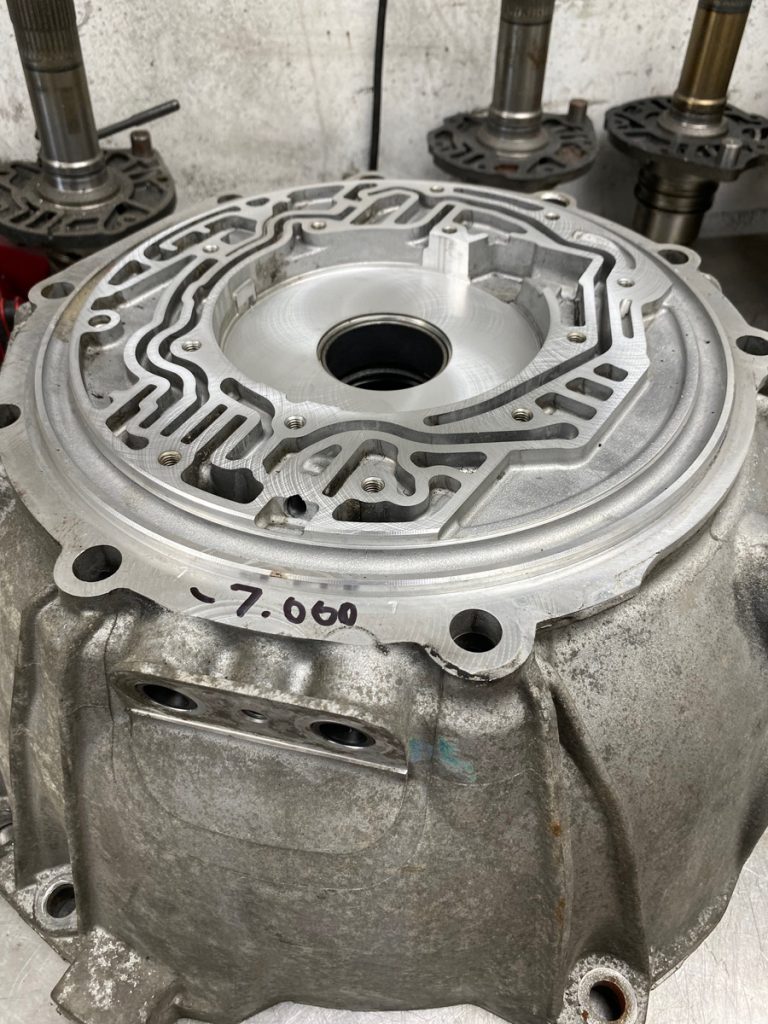
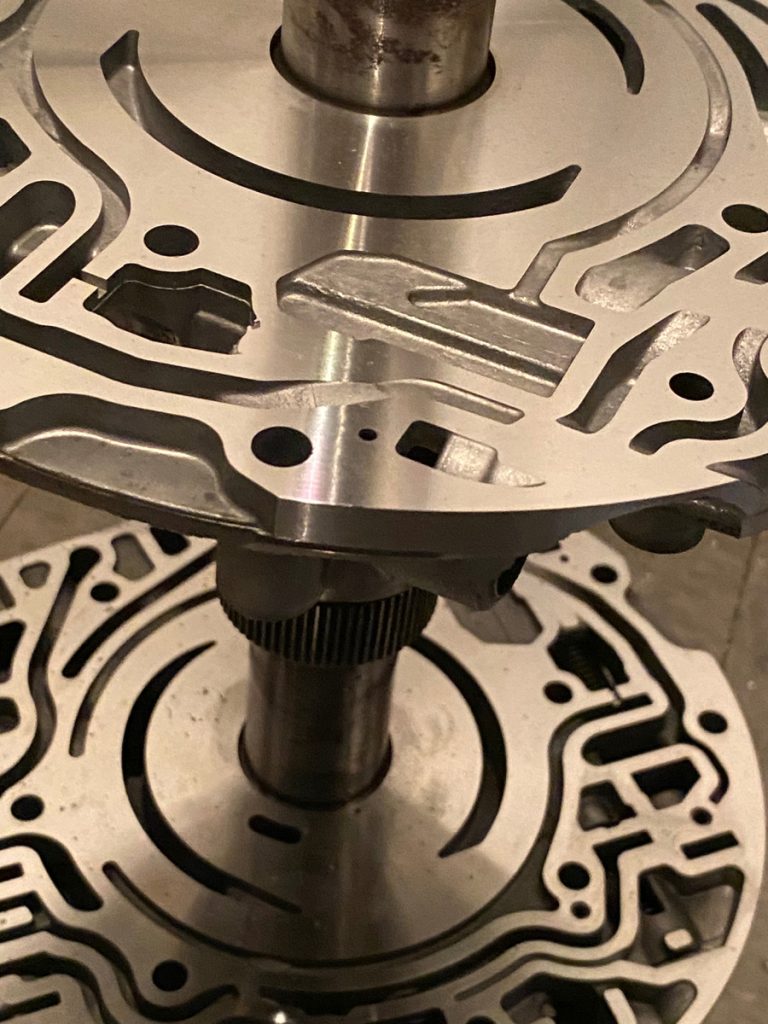
Valve body cleaning and repair services address the hydraulic control center of automatic transmissions. The valve body contains numerous passages, valves, and solenoids that direct transmission fluid to engage different gear sets. Over time, debris and wear can affect valve body operation, leading to shifting problems that require professional cleaning or component replacement.
Solenoid replacement and calibration services target the electronic components that control hydraulic pressure and gear engagement in modern automatic transmissions. These small but critical components can fail due to electrical issues or contamination, requiring precise replacement and computer calibration to restore proper transmission operation.
Internal component rebuilding addresses worn gear sets, bands, clutches, and other mechanical elements within automatic transmissions. This process requires extensive disassembly, inspection, and replacement of damaged parts using specialized tools and techniques that only experienced professionals should attempt.
Manual Transmission Services
Manual transmissions present their own unique service requirements, starting with clutch disc and pressure plate replacement. These components experience wear from normal operation and eventually require replacement to maintain proper engagement and disengagement between the engine and transmission.
Flywheel resurfacing and replacement services address the heavy disc that connects the engine to the clutch system. Flywheels can develop hot spots, cracks, or excessive wear that affects clutch operation and requires professional machining or replacement to restore smooth operation.
Synchronizer repair involves the components that match gear speeds during shifting to enable smooth gear changes. When synchronizers wear out, drivers experience grinding noises or difficulty shifting, requiring disassembly and replacement of these precision components.
Gear replacement and adjustment services address worn or damaged transmission gears that can cause noise, jumping out of gear, or complete loss of certain gear ratios. This work requires specialized knowledge of gear patterns and proper adjustment procedures to ensure reliable operation.
Warning Signs You Need a Transmission Repair Place
Recognizing transmission problems early can save you thousands of dollars in repair costs and prevent dangerous situations on the road. Understanding these warning signs helps you determine when it’s time to visit a professional transmission repair place for diagnosis and service.
Difficulty shifting gears or delayed engagement represents one of the most common signs of transmission trouble. In automatic transmissions, you might notice hesitation when shifting from park to drive, rough or jerky shifts between gears, or delays in gear engagement. Manual transmissions may become difficult to shift into gear, require excessive force, or make grinding noises during gear changes.
A burning smell coming from under the hood often indicates overheating transmission fluid, which can result from low fluid levels, contaminated fluid, or internal friction from worn components. This smell should never be ignored, as continued operation can cause severe internal damage requiring expensive repairs.
Red or dark brown fluid leaking under your vehicle typically indicates transmission fluid loss. Fresh transmission fluid appears bright red, while older fluid may darken to brown or black. Any fluid leakage requires prompt attention to prevent internal damage from inadequate lubrication.
Grinding, whining, or clunking noises during gear changes signal potential problems with internal transmission components. These sounds may indicate worn gears, damaged bearings, or failing hydraulic components that require professional diagnosis to determine the exact cause and necessary repairs.
Slipping gears or unexpected gear changes create dangerous driving conditions and indicate serious transmission problems. You might notice the engine revving without corresponding acceleration, the transmission shifting unexpectedly, or the inability to maintain gear engagement under load.
The check engine light or transmission warning lights on your dashboard should prompt immediate attention from a qualified transmission repair place. Modern vehicles use sophisticated monitoring systems that can detect transmission problems before they become obvious to drivers, providing early warning of potential issues.
Rough or jerky acceleration, particularly when coupled with other symptoms, may indicate transmission problems affecting power delivery. This can result from internal wear, hydraulic issues, or electronic control problems that require professional diagnosis and repair.

How to Choose the Right Transmission Repair Place
Selecting the right transmission repair place requires careful research and evaluation to ensure you receive quality service at a fair price. The importance of this decision cannot be overstated, as transmission repairs often represent significant investments that directly impact your vehicle’s reliability and safety.
Start by getting multiple quotes and comparing services offered by different shops. This process helps you understand the range of repair options available and identify shops that provide comprehensive solutions rather than quick fixes. Be wary of estimates that seem significantly higher or lower than others, as these may indicate overcharging or corner-cutting that could lead to future problems.
Verify licensing, insurance, and technician certifications before entrusting your vehicle to any repair facility. Professional transmission repair places maintain proper business licenses, carry adequate insurance coverage, and employ certified technicians who can demonstrate their qualifications. Don’t hesitate to ask for proof of these credentials, as reputable shops will gladly provide this information.
Read online reviews on Google, Yelp, and automotive forums to gauge customer satisfaction and identify potential red flags. Pay particular attention to reviews that mention specific transmission repairs, warranty coverage, and customer service experiences. Look for patterns in feedback rather than focusing on isolated complaints or praise.
Ask detailed questions about warranty coverage and what it includes. Quality transmission repair places stand behind their work with comprehensive warranties that cover both parts and labor for extended periods. Understand what actions might void the warranty and what steps you need to take if problems arise after the repair.
Inquire about financing options and payment plans if you’re facing expensive transmission repairs. Many reputable shops offer financing through third-party providers or in-house payment plans that help spread costs over time. These options can make necessary repairs more affordable while ensuring you receive quality service.
Visit the facility in person to assess cleanliness, organization, and professionalism. A well-maintained shop with modern equipment and organized work areas typically indicates attention to detail and pride in workmanship. Trust your instincts about the overall atmosphere and how staff members interact with customers.
Request references from previous customers who have had similar transmission work performed. Quality transmission repair places maintain relationships with satisfied customers who are willing to share their experiences. Contact these references to learn about their repair experiences, warranty service, and overall satisfaction with the work performed.
Understanding Transmission Repair Costs and Warranties
Transmission repair costs vary significantly based on the extent of damage, vehicle make and model, and type of service required. Understanding these cost factors and warranty expectations helps you budget appropriately and evaluate quotes from different transmission repair places.
Minor repairs typically range from $150 to $800 and include services like fluid changes, filter replacements, solenoid repairs, or minor seal replacements. These repairs address specific issues without requiring extensive disassembly and can often be completed within a day or two.
Major rebuilds represent more substantial investments, typically costing between $1,800 and $3,500 depending on the vehicle and extent of work required. This process involves complete disassembly, inspection, and reconstruction of the transmission using new or remanufactured components. The job requires several days to complete properly and should include comprehensive testing before delivery.
Complete replacements may range from $2,500 to $5,000 and involve installing a remanufactured or new transmission unit. This option makes sense when internal damage is extensive or the cost of rebuilding approaches replacement costs. Replacement transmissions often come with longer warranties and can provide better long-term value for high-mileage vehicles.
Several factors affect the final cost of transmission repairs, including vehicle age, make, and transmission type. Luxury vehicles, import models, and vehicles with specialized transmissions typically cost more to repair due to parts availability and complexity. Older vehicles may require additional work to address age-related wear in supporting systems.
Standard warranties should cover 12 to 24 months or 12,000 to 24,000 miles for major transmission work. Quality transmission repair places offer warranties that protect your investment and demonstrate confidence in their workmanship. Understand what the warranty covers, including both parts and labor, and any conditions that might affect coverage.
Extended warranties are available for rebuilt transmissions, with some shops offering coverage up to 100,000 miles for major rebuilds. These extended warranties provide additional peace of mind but may include higher deductibles or specific maintenance requirements to maintain coverage.
About Atlas Transmission
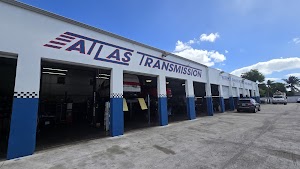
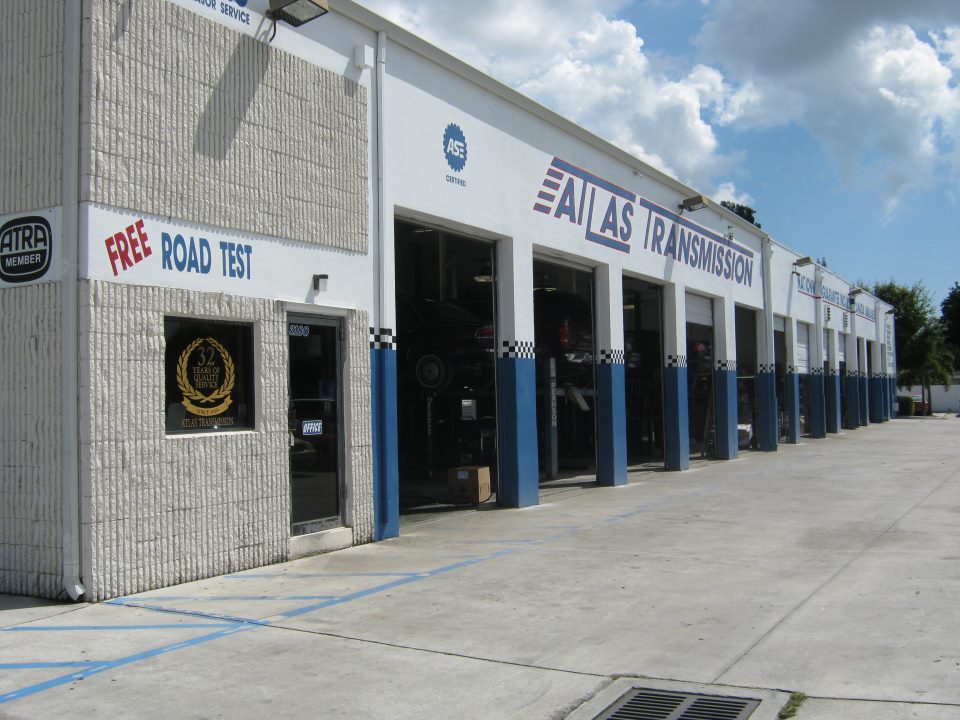
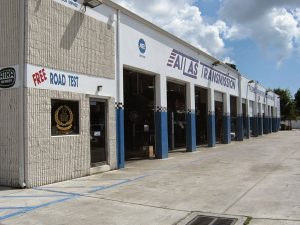 Atlas Transmission stands as a premier transmission repair place serving customers since 1989, building a reputation for excellence through decades of reliable service and customer satisfaction. Our commitment to quality has made us a trusted name in the community, helping thousands of vehicle owners maintain their cars, trucks, and SUVs with confidence.
Our team of certified technicians specializes in all transmission types across domestic and foreign vehicles, from traditional automatic and manual transmissions to modern CVT systems and hybrid vehicle powertrains. Each technician undergoes continuous training to stay current with evolving automotive technology, ensuring we can address even the most complex transmission issues with expertise and precision.
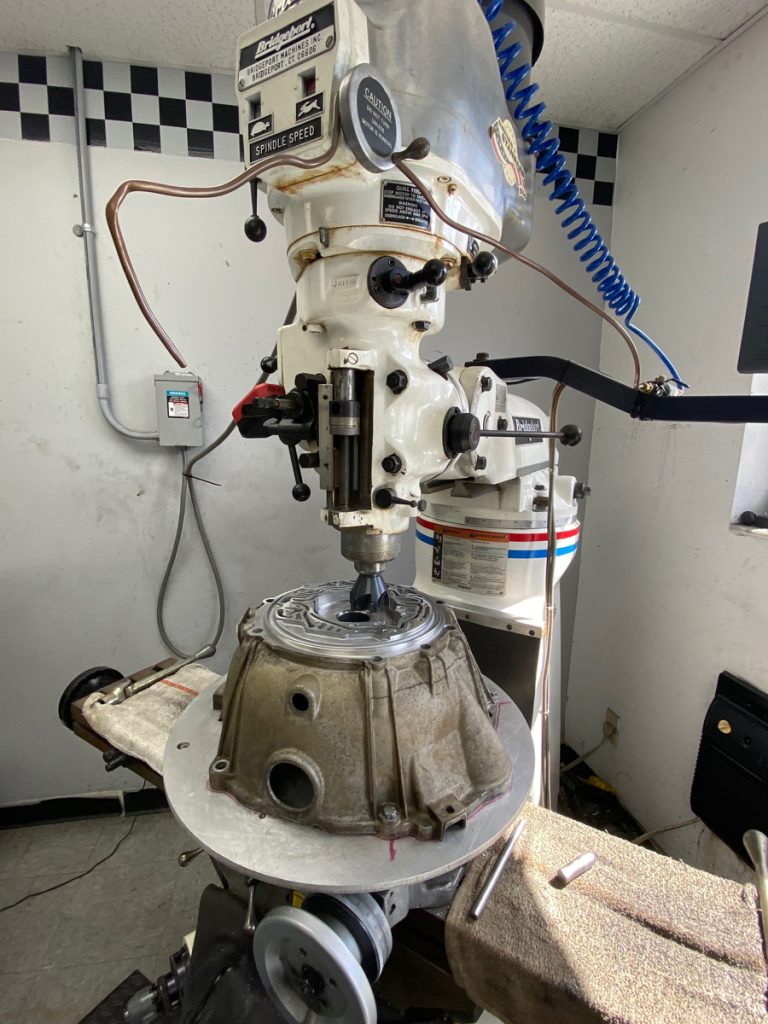
State-of-the-art diagnostic equipment ensures accurate problem identification and efficient repairs at every Atlas Transmission location. We invest heavily in the latest computer scanning tools, hydraulic testing equipment, and specialized transmission rebuilding machinery to provide the highest quality service possible. This advanced equipment allows us to diagnose problems quickly and perform repairs that meet or exceed manufacturer specifications.
We offer comprehensive warranties up to 3 years or 100,000 miles on major rebuilds, demonstrating our confidence in our workmanship and commitment to customer satisfaction. Our warranty coverage includes both parts and labor, providing peace of mind that your investment is protected. We maintain detailed records of all warranty work and honor our commitments throughout the coverage period.
Flexible financing options are available with approved credit for repairs over $500, making necessary transmission services more accessible when you need them most. We work with reputable financing partners to offer competitive rates and payment terms that fit your budget. Our goal is to help you get back on the road safely without creating financial hardship.
Atlas Transmission provides free initial diagnostics and transparent pricing with no hidden fees, ensuring you understand exactly what services you need and what they will cost. We explain our findings in clear terms and provide detailed estimates that break down all costs before beginning any work. Our commitment to transparency has earned us the trust of customers throughout our service areas.
We maintain an A+ Better Business Bureau rating and thousands of satisfied customers who rely on us for their transmission service needs. This reputation reflects our dedication to quality work, fair pricing, and exceptional customer service that keeps customers coming back year after year.
Frequently Asked Questions
How long does transmission repair typically take at a professional shop?
The timeframe for transmission repair depends on the type of service required. Simple maintenance like fluid changes can be completed in 1-2 hours, while minor repairs may take 1-3 days. Major rebuilds typically require 3-7 business days to complete properly, including disassembly, parts ordering, rebuilding, and testing. Some shops may take longer during busy periods or if specialized parts need to be ordered for your specific vehicle.
Can I drive my car to the transmission repair place if it’s having problems?
This depends on the severity of the transmission issues. If you’re experiencing minor symptoms like delayed shifting or slight slipping, you can usually drive carefully to the shop at low speeds. However, if you notice complete loss of gears, severe grinding noises, or burning smells, it’s safer to have the vehicle towed to prevent further damage. When in doubt, call the repair shop and describe your symptoms – they can advise whether it’s safe to drive.
What’s the difference between transmission repair, rebuild, and replacement?
Transmission repair involves fixing specific components without complete disassembly, typically for minor issues like seal leaks or solenoid problems. A rebuild requires complete disassembly, inspection, and reconstruction with new or refurbished parts – essentially creating a renewed transmission. Replacement involves installing a different transmission unit, either remanufactured or new, removing your original transmission entirely. Rebuilds often provide the best value for older vehicles, while replacements may be more cost-effective for severely damaged transmissions.
Do transmission repair places offer loaner cars during major repairs?
Many established transmission repair places offer loaner vehicles or rental car assistance for major repairs that take several days to complete. Availability varies by shop and may depend on the extent of work being performed. Some shops partner with local rental agencies to provide discounted rates for customers. It’s best to ask about loaner vehicle availability when scheduling your appointment, especially for rebuilds or replacements that require extended shop time.
How can I prevent future transmission problems after repair?
Regular maintenance is crucial for preventing future transmission issues. Follow the manufacturer’s recommended service intervals for fluid changes, typically every 30,000-60,000 miles depending on your vehicle. Check transmission fluid levels monthly and address any leaks immediately. Avoid aggressive driving habits like hard acceleration or abrupt stops that stress transmission components. Have your transmission inspected annually by a qualified technician who can catch small problems before they become major repairs. Address warning signs like unusual noises or shifting problems promptly rather than waiting for them to worsen.